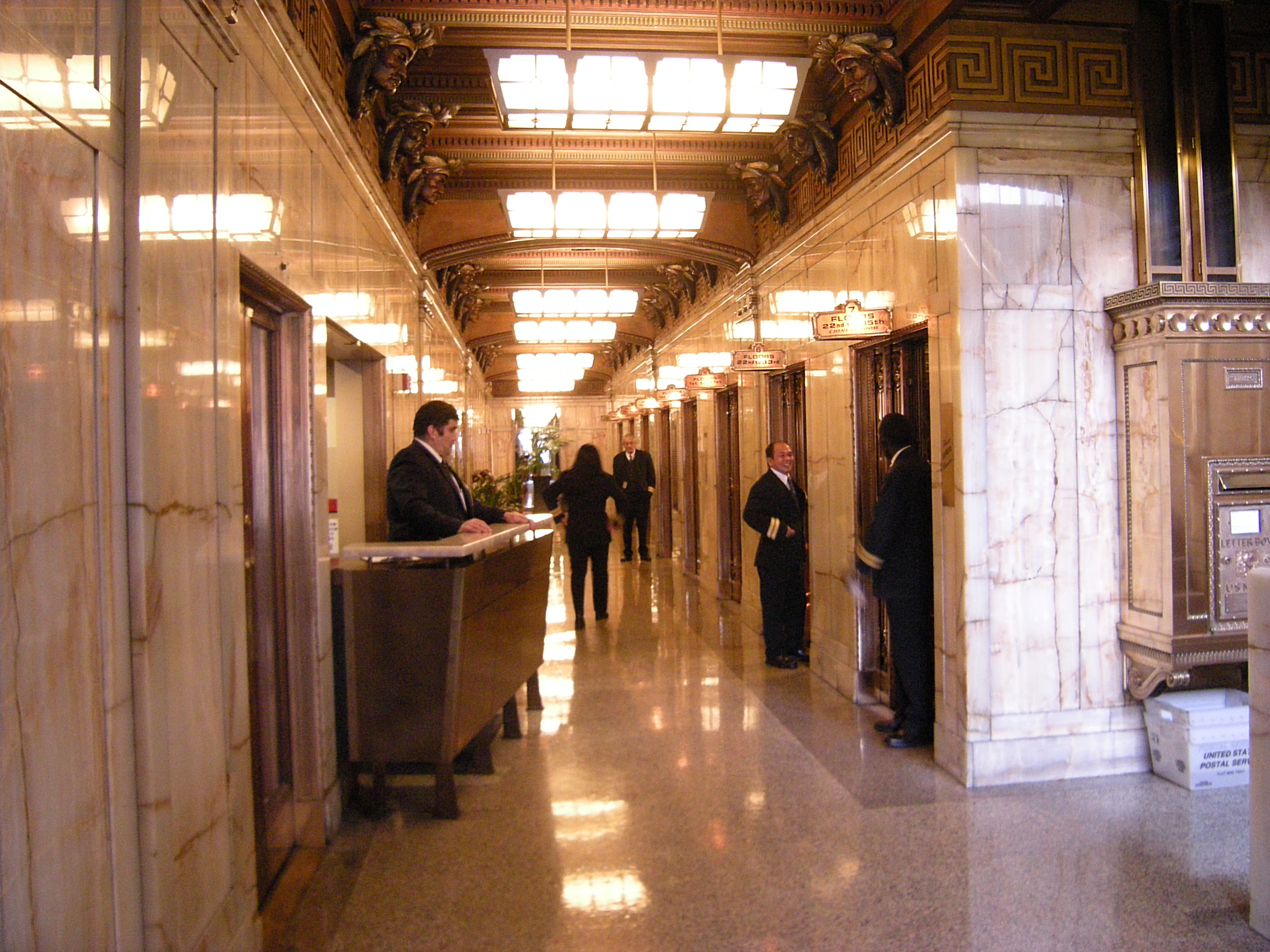

Step into a lift, say which floor you want and leave the rest to someone else. That was once possible in the Netherlands too. Yet many Dutch people have no memories of a lift operator.
A lift is straightforward to use today. Press a button, wait for the doors and select your floor. At most, someone closer to the controls asks: which floor?
That was once a paid job. Inside the cabin stood a lift operator, sometimes called a lift boy. You said where you wanted to go, and he got you there. You were a passenger in the fullest sense.
In the Netherlands too
A lift operator may suggest a foreign hotel in an old film. But the job existed in the Netherlands as well. One specific example is Maison de Bonneterie on Amsterdam’s Kalverstraat. The shop acquired an electric lift in 1901, operated by a lift boy.
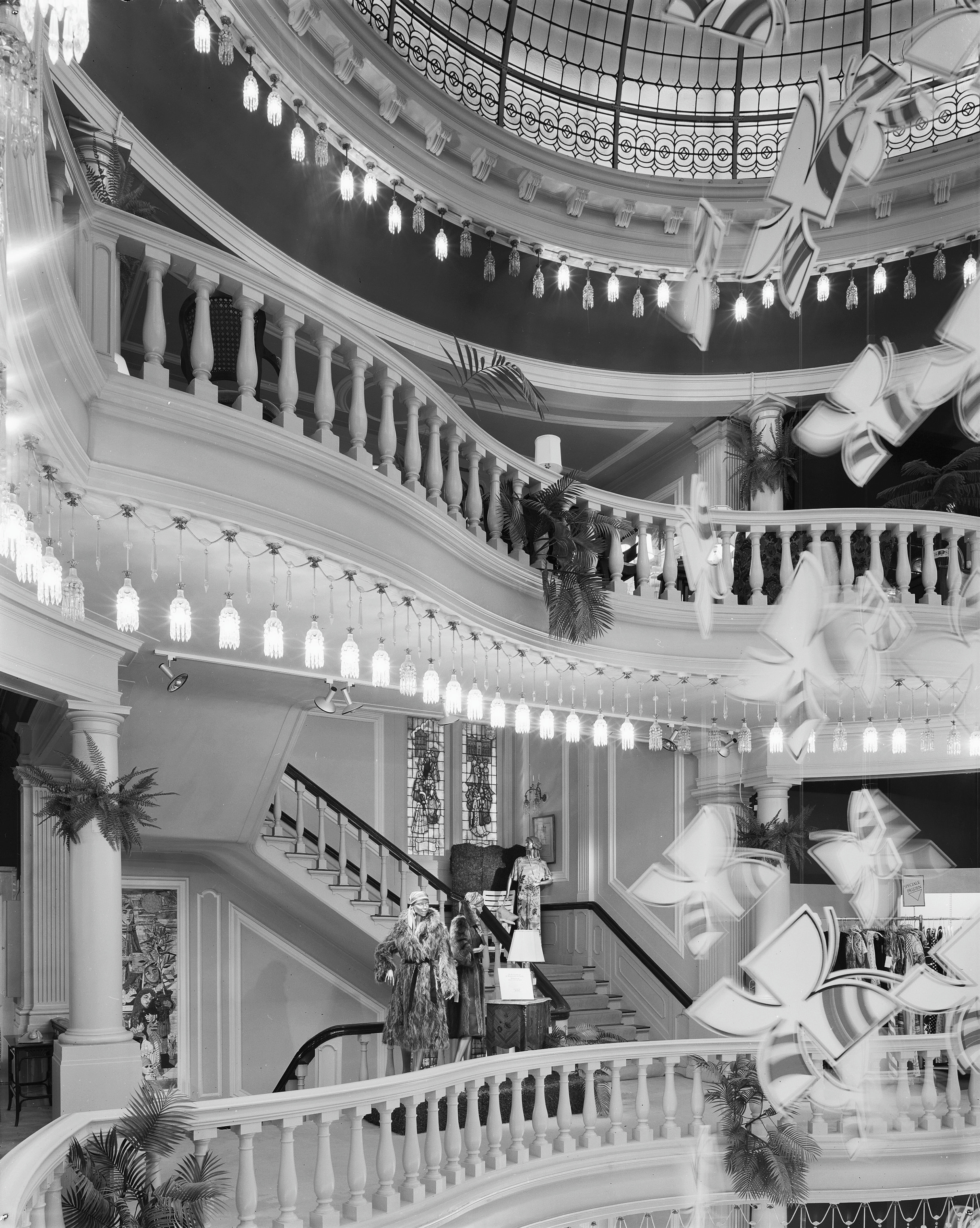
Memories also survive from Dutch department store De Bijenkorf. On the Geheugen van Oost local history website, Henk Penseel recalls a former neighbourhood boy, Leo Pruis, whom he later encountered working as a lift boy there. A small personal detail showing that the occupation really belonged to Amsterdam’s shopping life.
Outside shops, a lift boy could belong to the staff of a residential hotel: a building with shared facilities and services, such as a restaurant and domestic staff. The Cultural Heritage Agency of the Netherlands explicitly lists lift boys among these workers. Around forty residential hotels were built in the Netherlands between the world wars, mainly in The Hague.

Why someone operated the lift
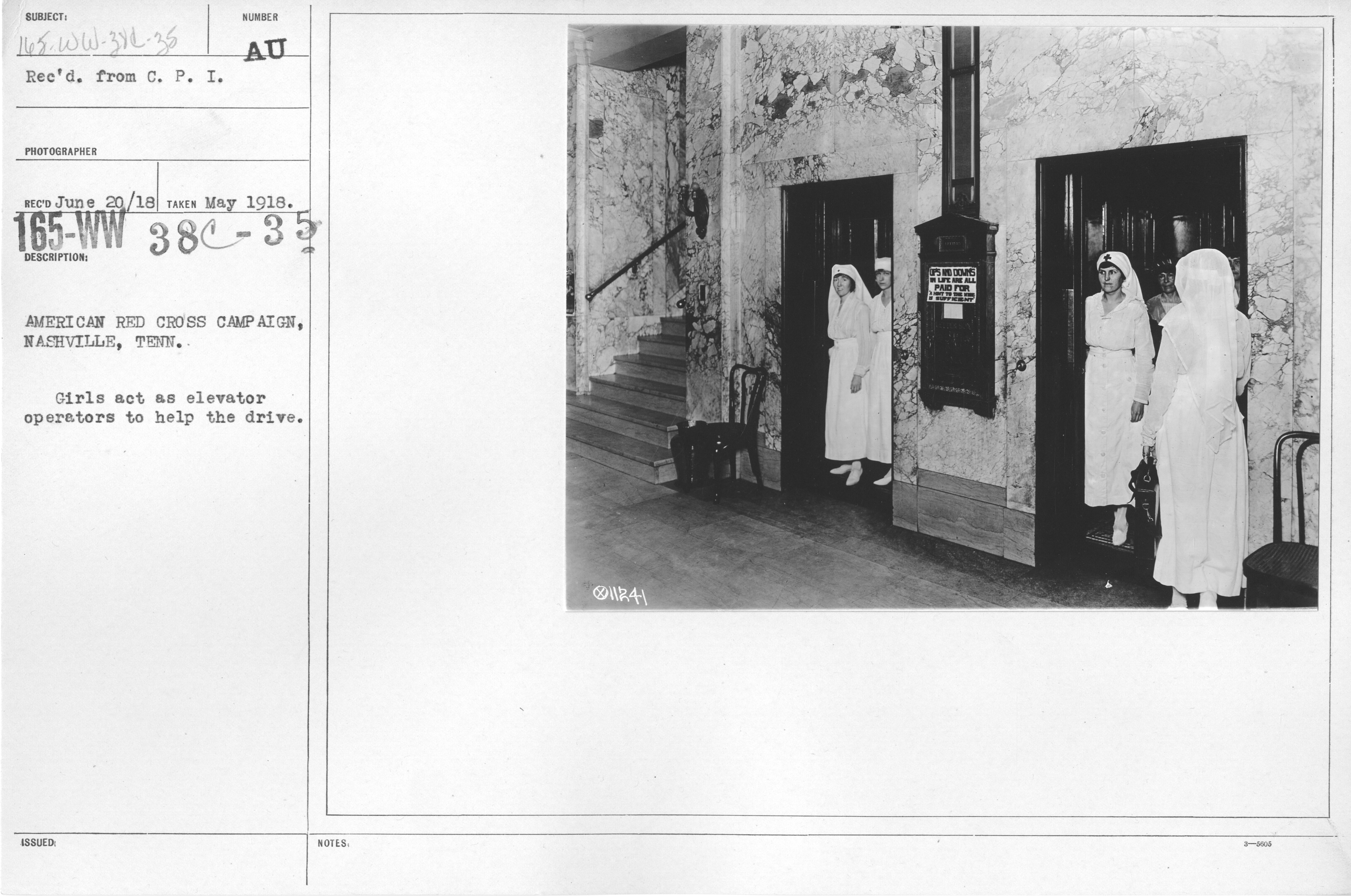
An early lift did not work automatically like a modern one. Depending on the system, an operator had to close doors or gates, set the lift moving and end the journey. The precise actions differed between installations.
Passenger operation developed in stages. Push buttons and automatic controls gradually took over tasks previously performed by the operator. Intermediate arrangements existed too: a lift with buttons did not immediately mean a lift without staff.
The lift operator thus belonged to a period when a journey upstairs still needed assistance. What we consider an everyday action was once a facility requiring a building to employ someone.
A special shopping experience
For a shop, a lift was also something to show off. Around 1900, such facilities appeared in Amsterdam hotels and shops as signs of comfort and prestige. Maison de Bonneterie and the Victoria Hotel were early examples.
Imagine visiting such a shop. You enter from a busy street, look around and want a department upstairs. Instead of finding a button yourself, you give your destination. A moment later, you step out on the right floor.
The ride turned the distance between street and shop department into a small moment of service. You were helped even on the way.

Known through Abeltje
The lift operator also entered the Dutch imagination. Abeltje, a character created by Dutch children’s author Annie M.G. Schmidt, becomes a lift boy in a department store. His workplace launches an adventure in which the lift travels much further than intended. The film adaptation also centres on that job and the mysterious button he must not press.
You can therefore know the occupation without ever having travelled with a lift operator. For some Dutch readers, it recalls a shopping memory; for others, mainly a children’s book.
Why not everyone encountered one
Dutch history helps explain those different memories. Automatic lift controls emerged from the 1930s. The major growth in lift numbers came from the 1950s, partly with the construction of apartment blocks. Many people therefore only began using lifts regularly when passenger operation was already possible.
This suggests that the lift operator need never have been familiar to everyone. Whether you met one depended on the buildings you visited and when you visited them.
An occupation that left the cabin
The automatic lift took over more and more actions. Selecting the destination became the passenger’s task; making the journey became the machinery’s task. The practical need for an operator gradually disappeared.
What remains is a remarkable thought about something we barely consider special. Behind the question ‘Which floor?’ once stood an occupation.
And while one person remembers a department-store lift boy, another has pressed the button themselves all their life.