New storyFrom the 1970s
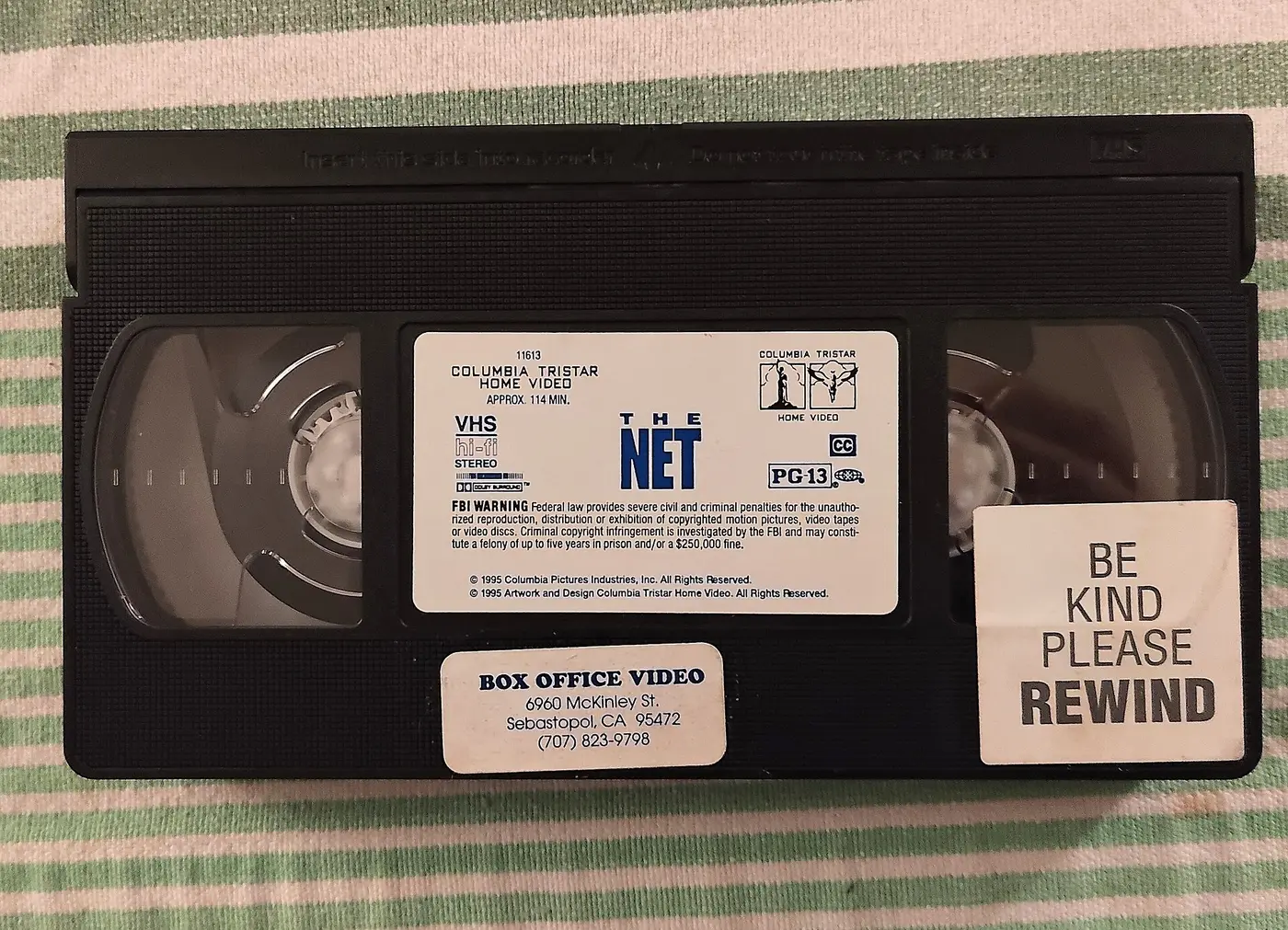
Pictures & sound
VHS, Betamax and Video 2000
Record, rewind and choose the right system. Three formats competing for the living room.
The story →UnifiedFunctionality · CC BY-SA 4.0New storyFinal Dutch editions: 2018
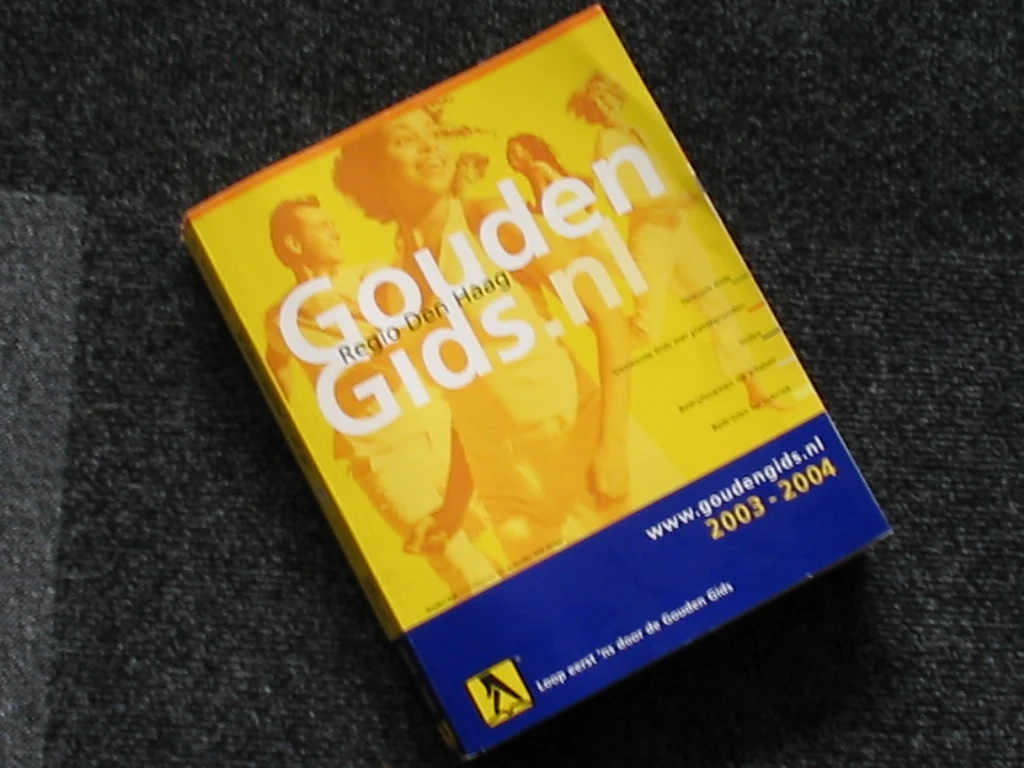
Calls & messages
The telephone directory and the Gouden Gids
Look up a name, find a tradesperson and dial. A whole town beside the telephone.
Read the story →Michiel1972 · CC BY-SA 3.0New storyBefore online searches
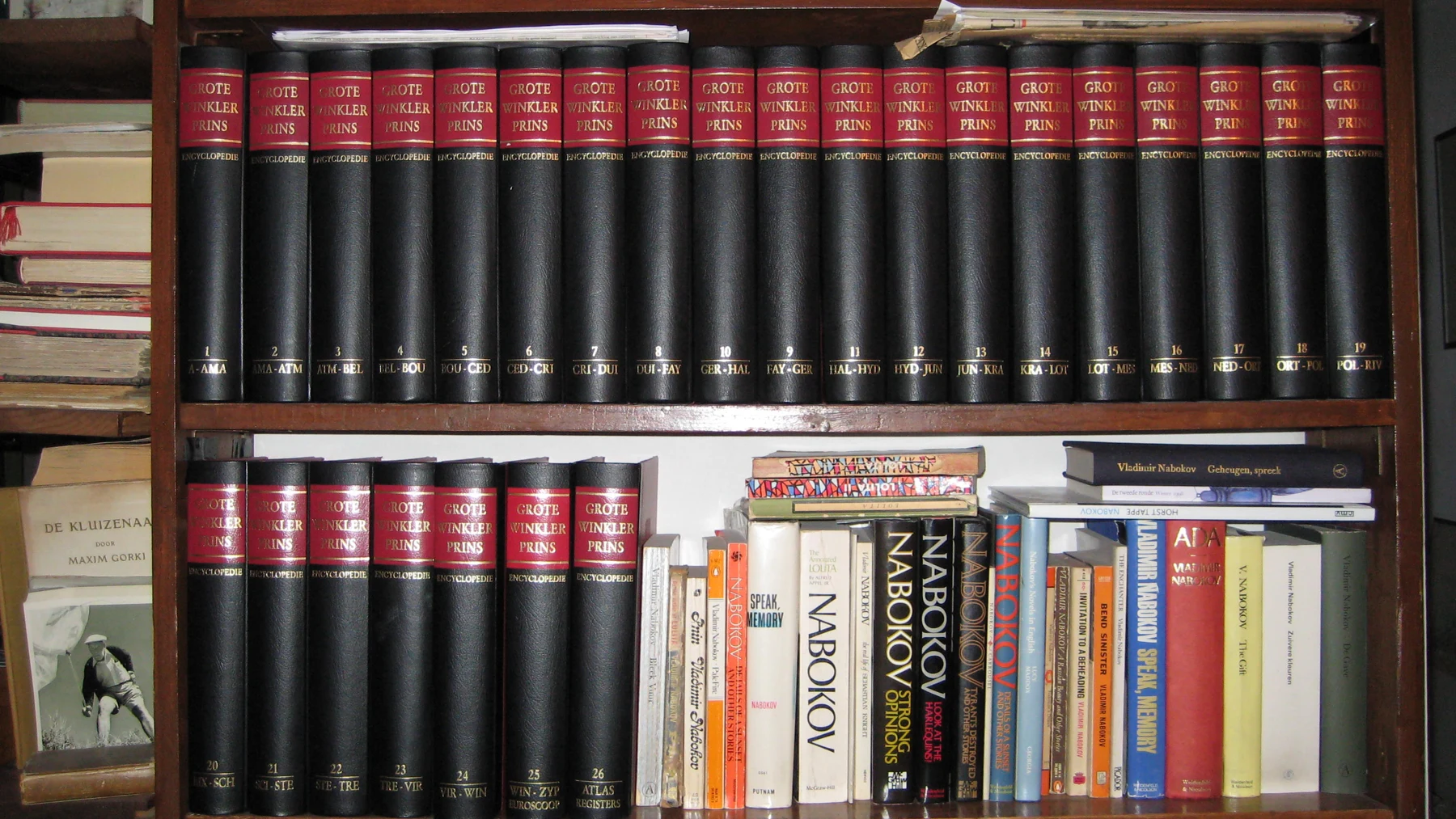
Work & school
The printed encyclopedia
A world of knowledge on the shelf. Looking things up, browsing and discovering how quickly books could grow old.
Read the story →Dolph Kohnstamm · CC BY-SA 3.0New storyBefore satnav
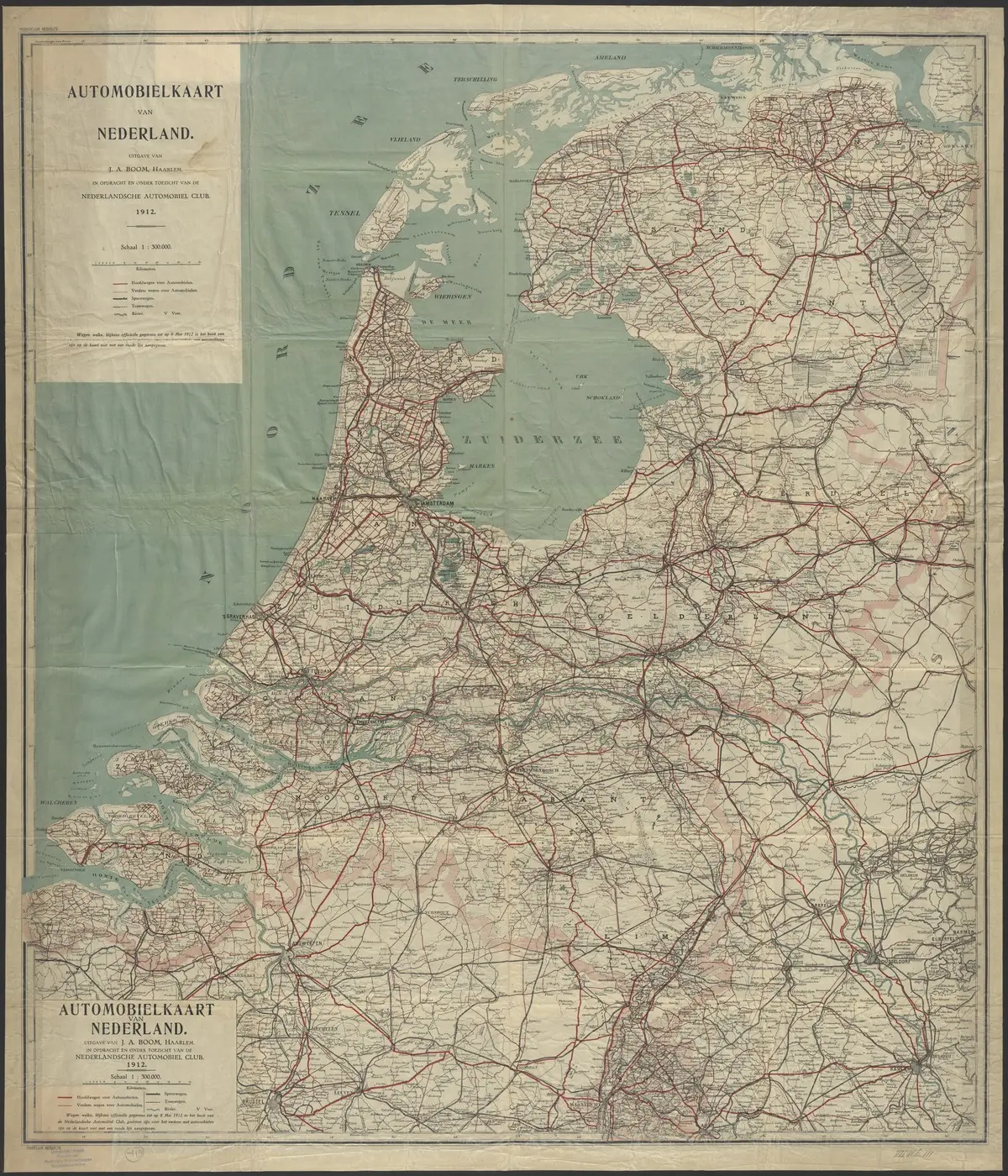
Getting around
Paper road maps and street atlases
Plan the route, fold the map and find the street in the index. Travelling without a blue dot.
Read the story →J.A. Boom · 1912 · Utrecht University LibraryNew storyBefore the scanner

Money & payments
The cashier who typed in every price
Every price entered by hand. A story of fast fingers, missing stickers and cash payments.
Read the story →Ron Kroon / Anefo · Nationaal Archief · CC0New storyStill around
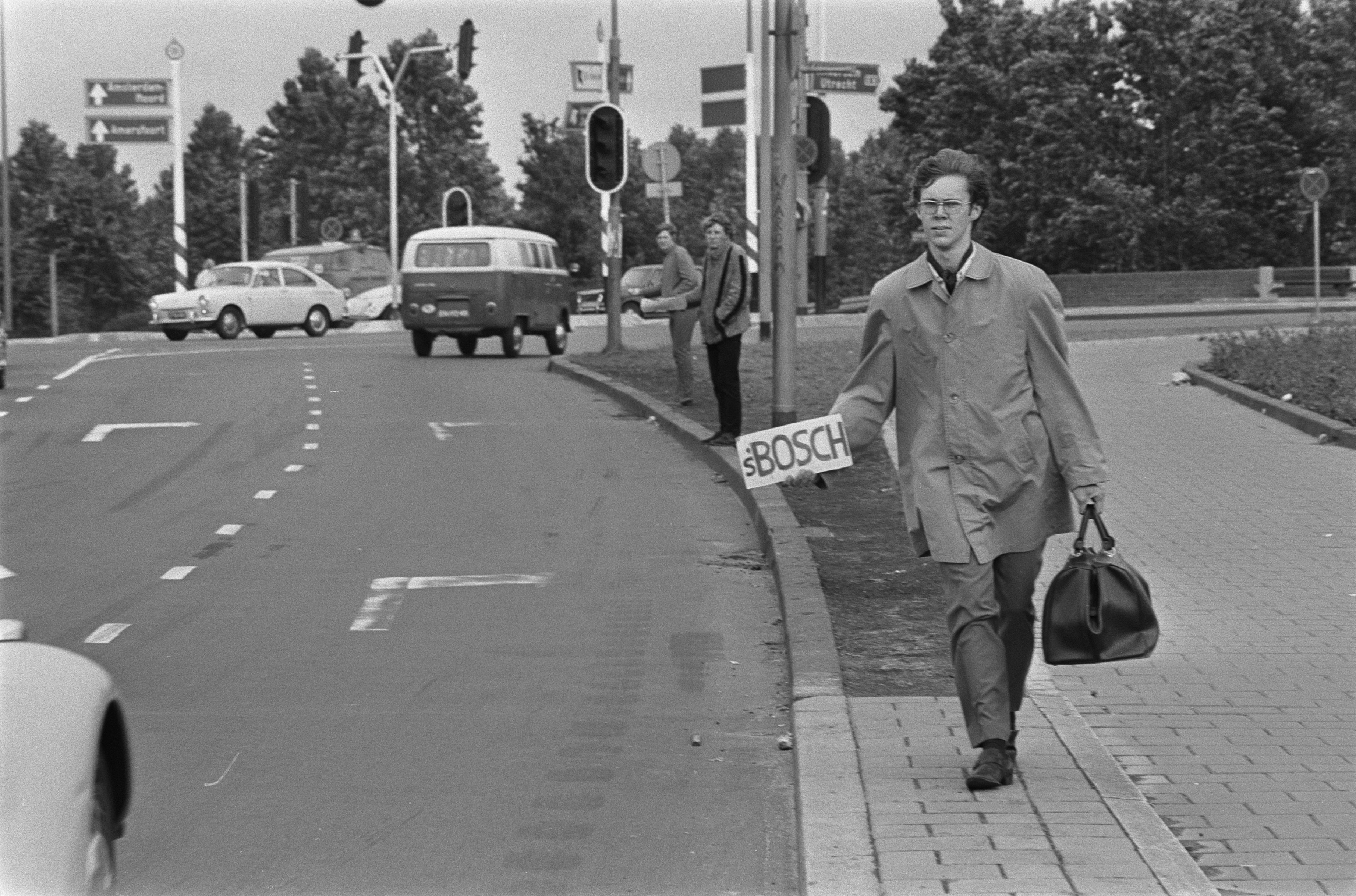
Getting around
Hitchhiking by the motorway
A cardboard sign, a thumb and an unknown driver. Hitchhiking became unusual, but never disappeared.
Read the story →Anefo · Nationaal Archief · CC0New storyBefore journey planners
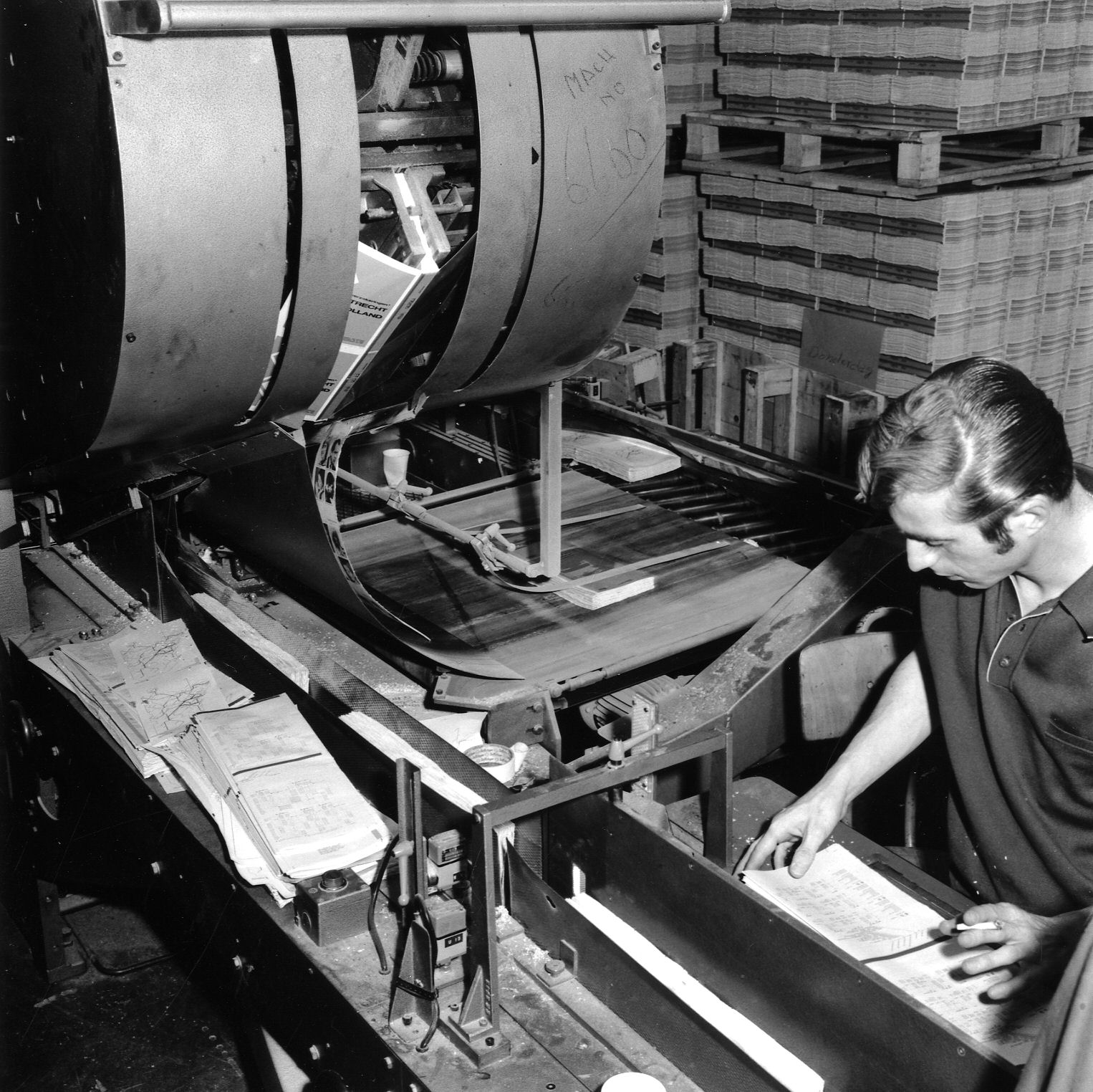
Getting around
The printed railway timetable
Follow the columns, check the footnotes and find your own connections. The journey began at the kitchen table.
Read the story →NS / Het Utrechts Archief · CC0New story008 · 06-8008 · 118
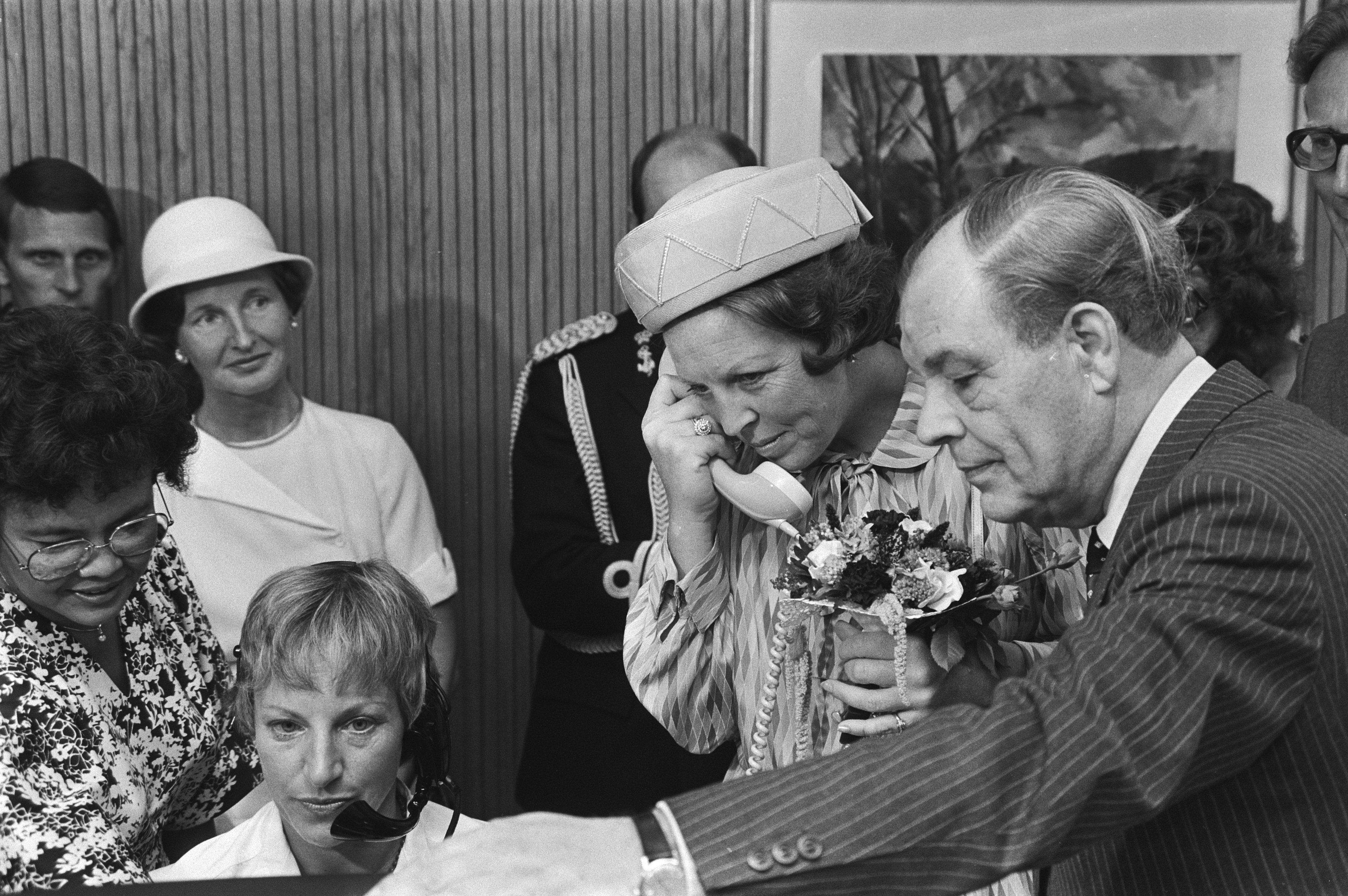
Calls & messages
Calling directory enquiries
Dial 008, give a name and town, and have a pen ready. Finding a number used to involve a conversation.
Read the story →Hans van Dijk / Anefo · Nationaal Archief · CC0New storyEspecially 1960–1990
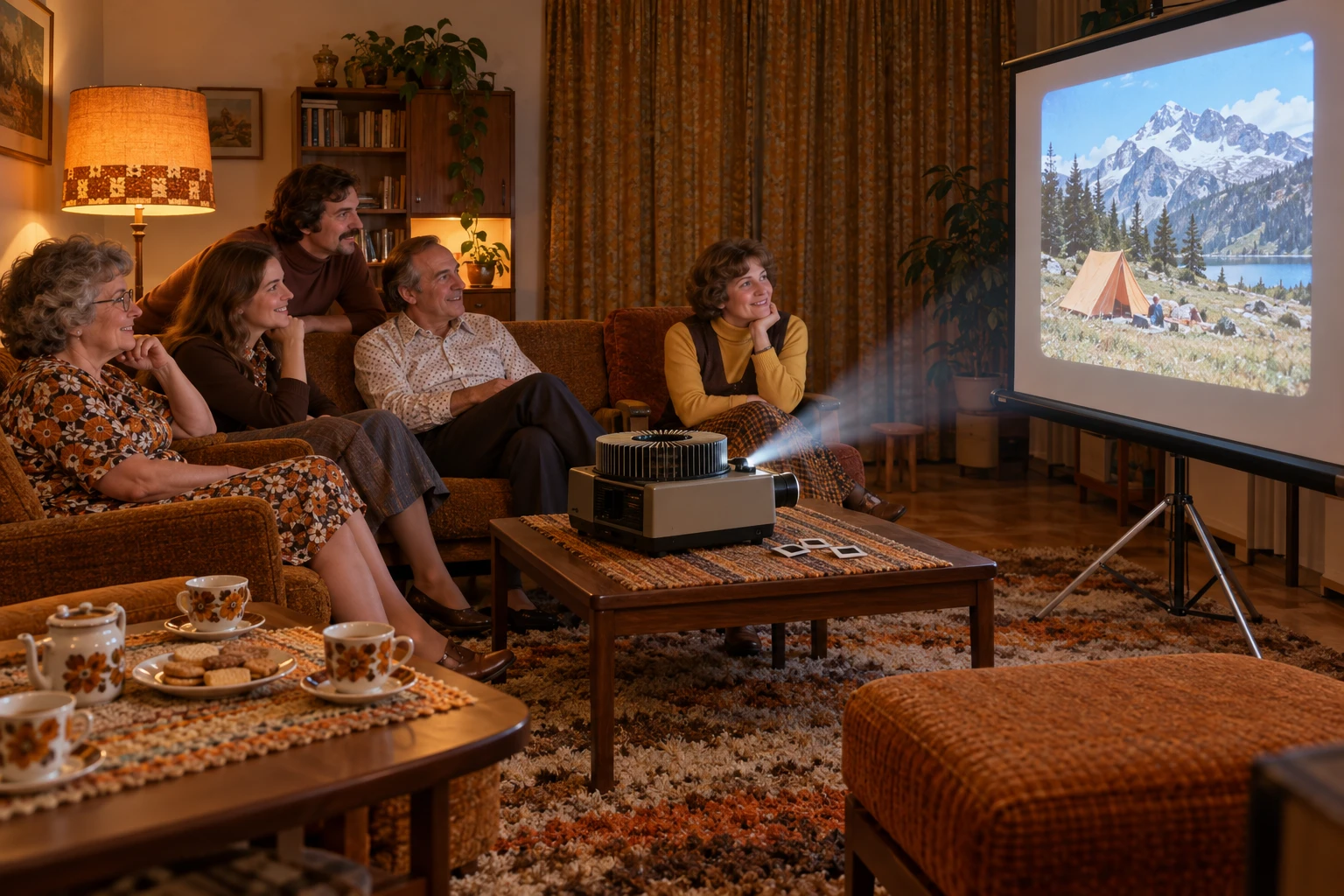
Picture & sound
The slide evening
Draw the curtains, pour the coffee and load another tray of holiday pictures. The slide evening turned the living room into a little cinema.
Read the story →AI illustration · historical reconstruction
New story1958–1992
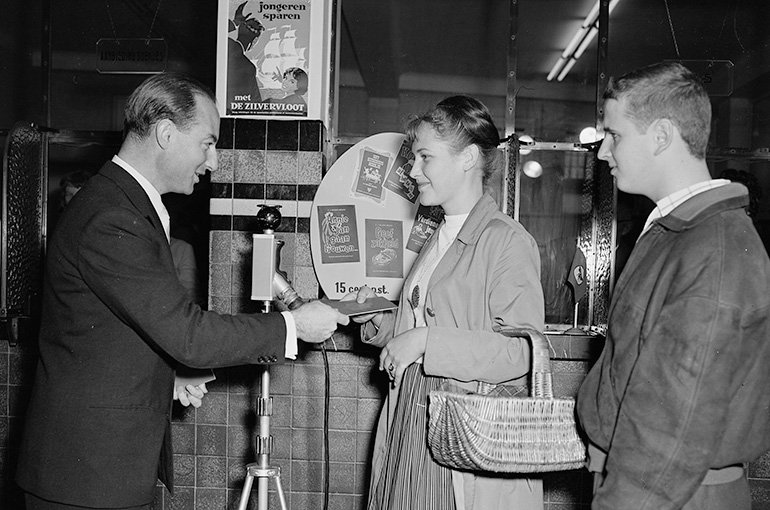
Money & payments
Saving with the Zilvervloot
A passbook, years of patience and a government bonus at the end.
Read the story →1958 · Noord-Hollands Archief · CC0
NewBefore central heating
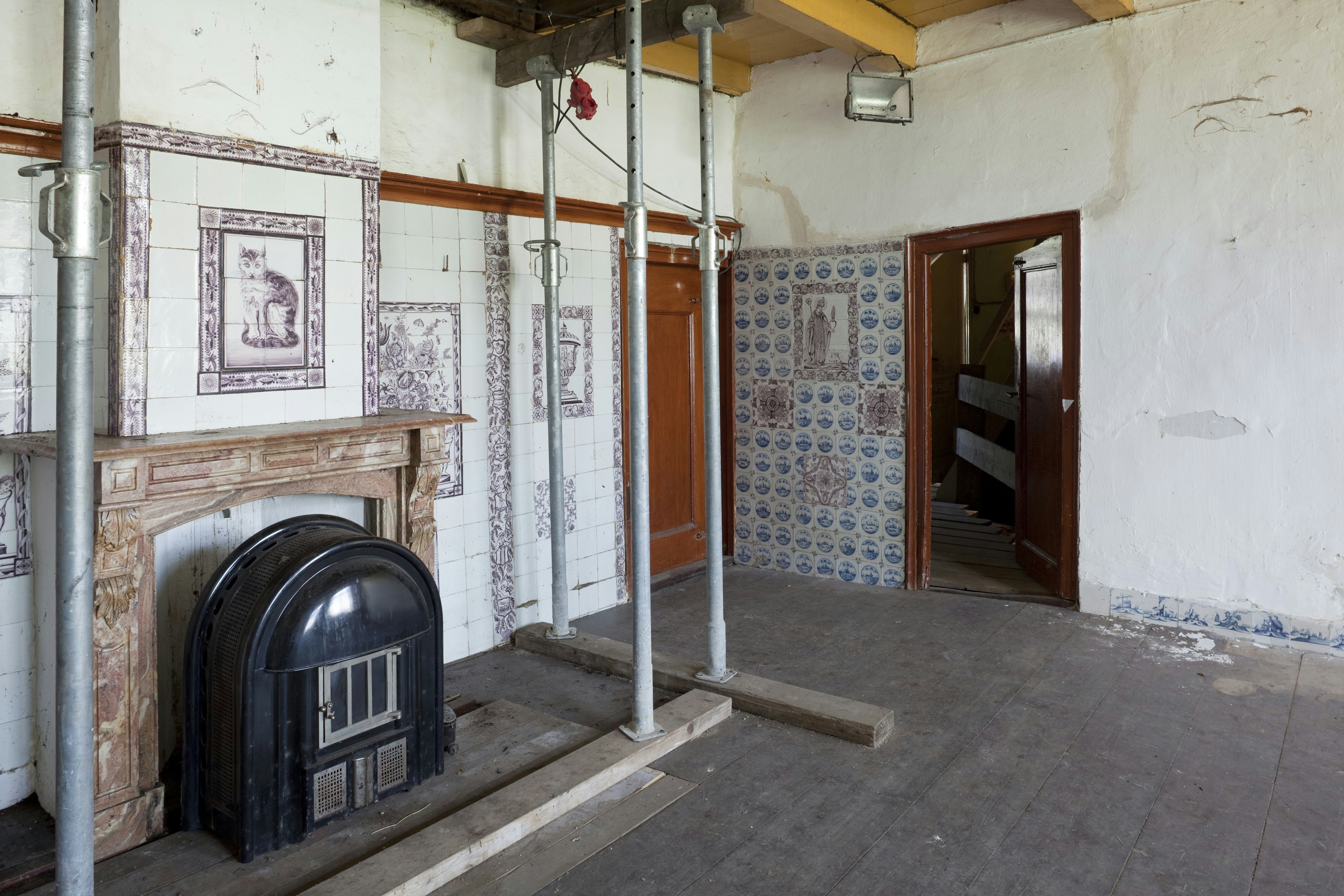
At home
The coal stove
Carrying coal, tending the fire and keeping the door shut. A warm room took work.
Read the story →Chris Booms / RCE · CC BY-SA 4.0
NewHealth at school
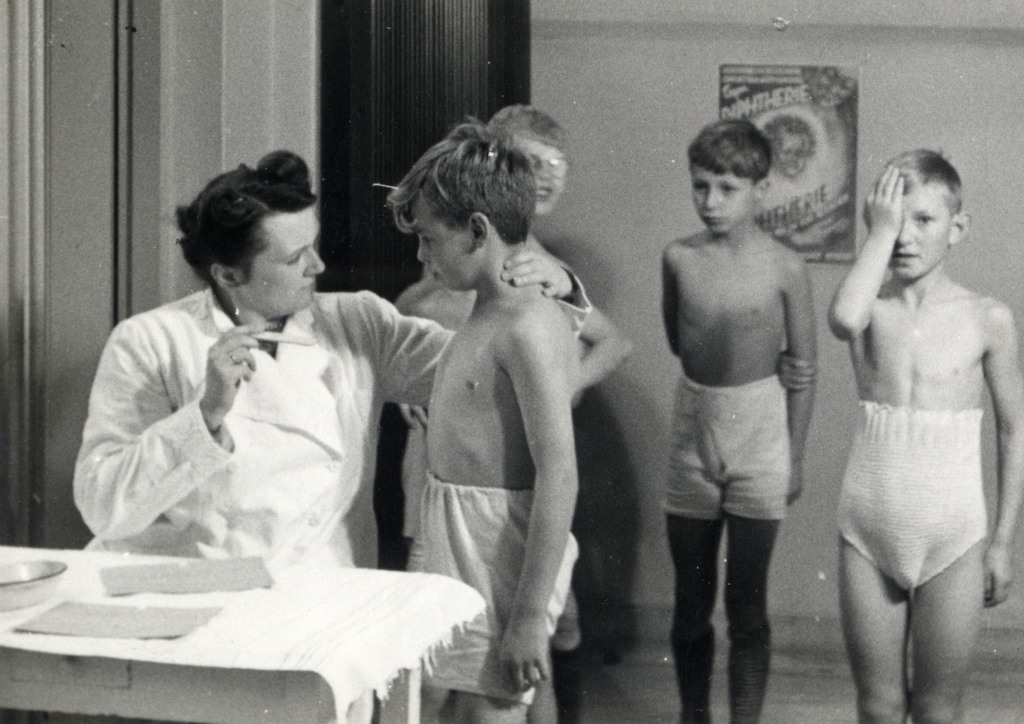
Work & school
The school doctor
Even when you were not ill: out of class for eyes, ears and straight backs.
Read the story →October 1948 · Het Utrechts Archief · Public domain
NewA vanished occupation
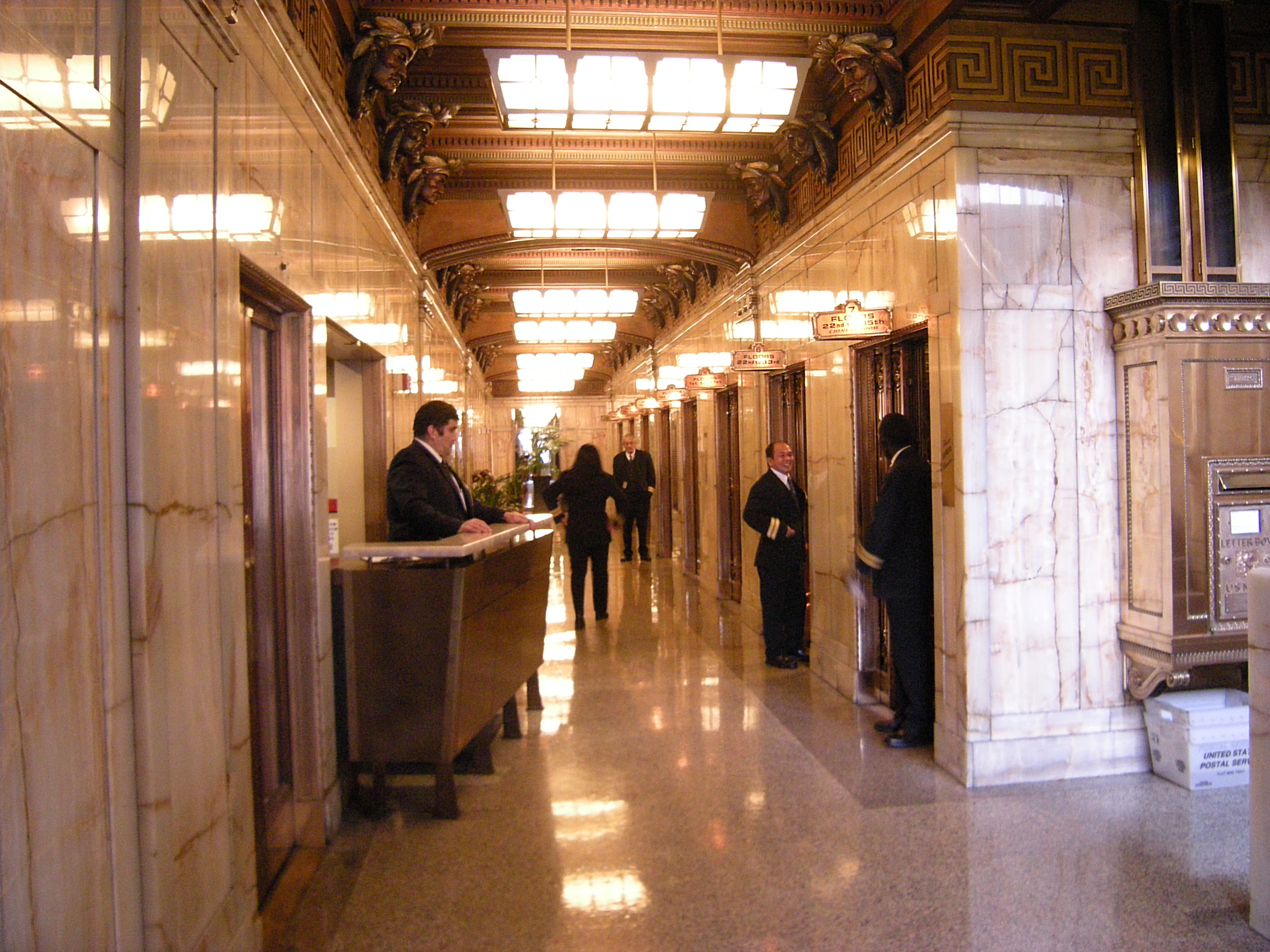
Work & school
The lift operator
Naming your destination and letting someone else operate the lift. It happened in the Netherlands too.
Read the story →Seattle, 2008 · Joe Mabel · CC BY-SA 3.0 · Source
01Mainly before online banking
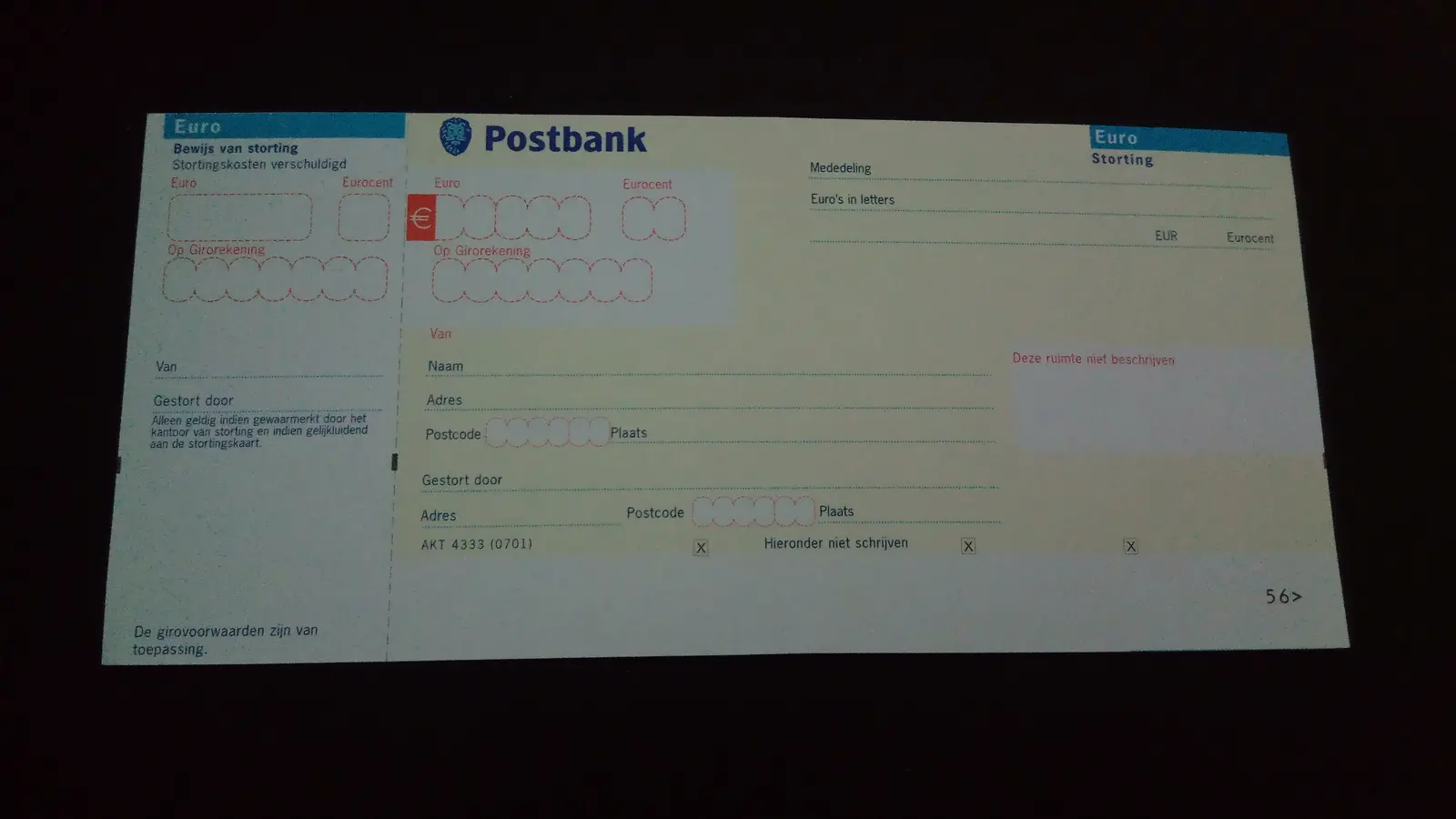
Money & payments
The giro form
Write an amount, sign and post it. Paying once required paper and patience.
Read how it worked →
02Mainly 1950–1985
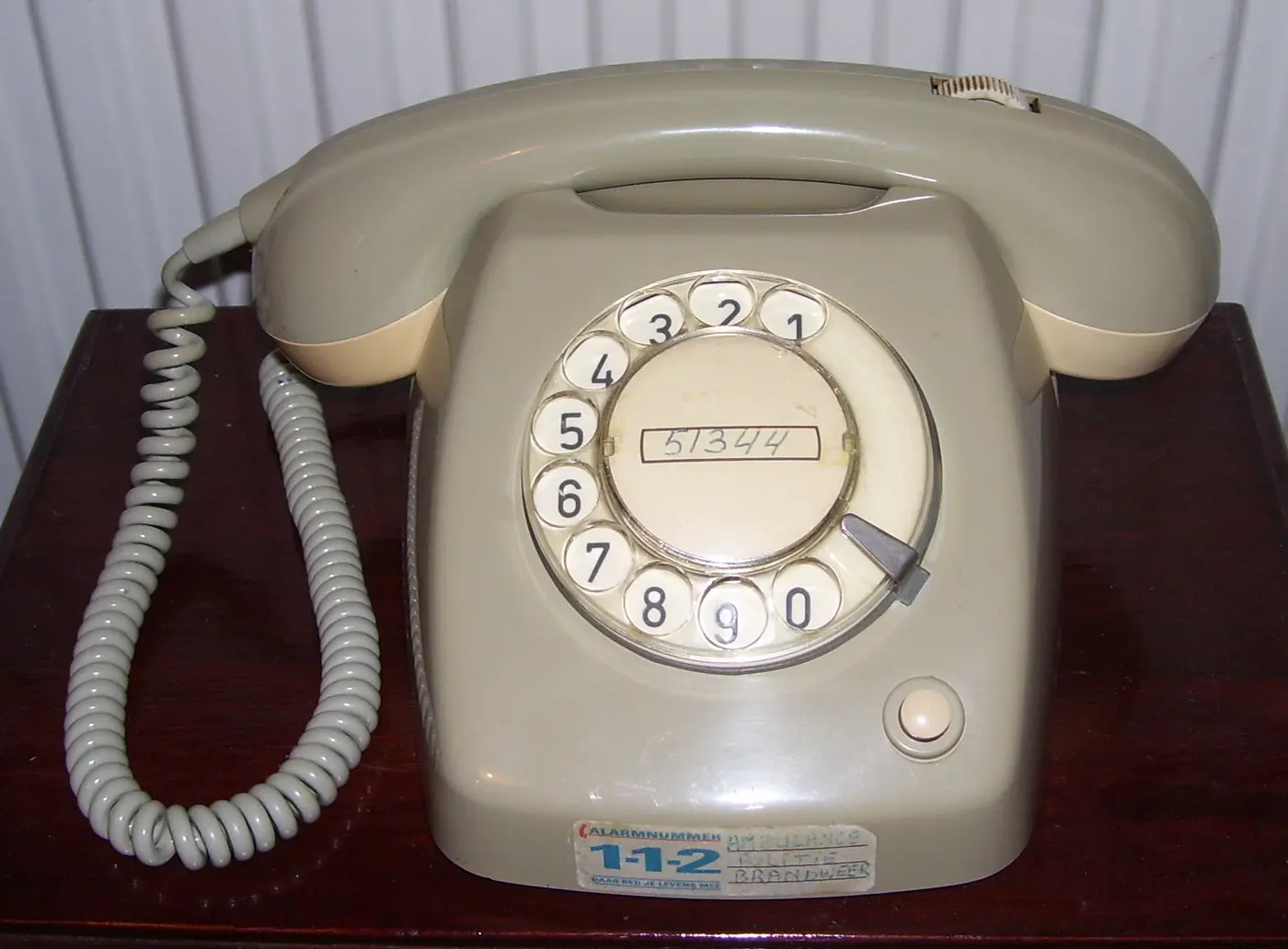
Calls & messages
The rotary telephone
Put your finger in the correct hole, turn to the stop and wait for the dial to return.
Read how it worked →
031980–2011
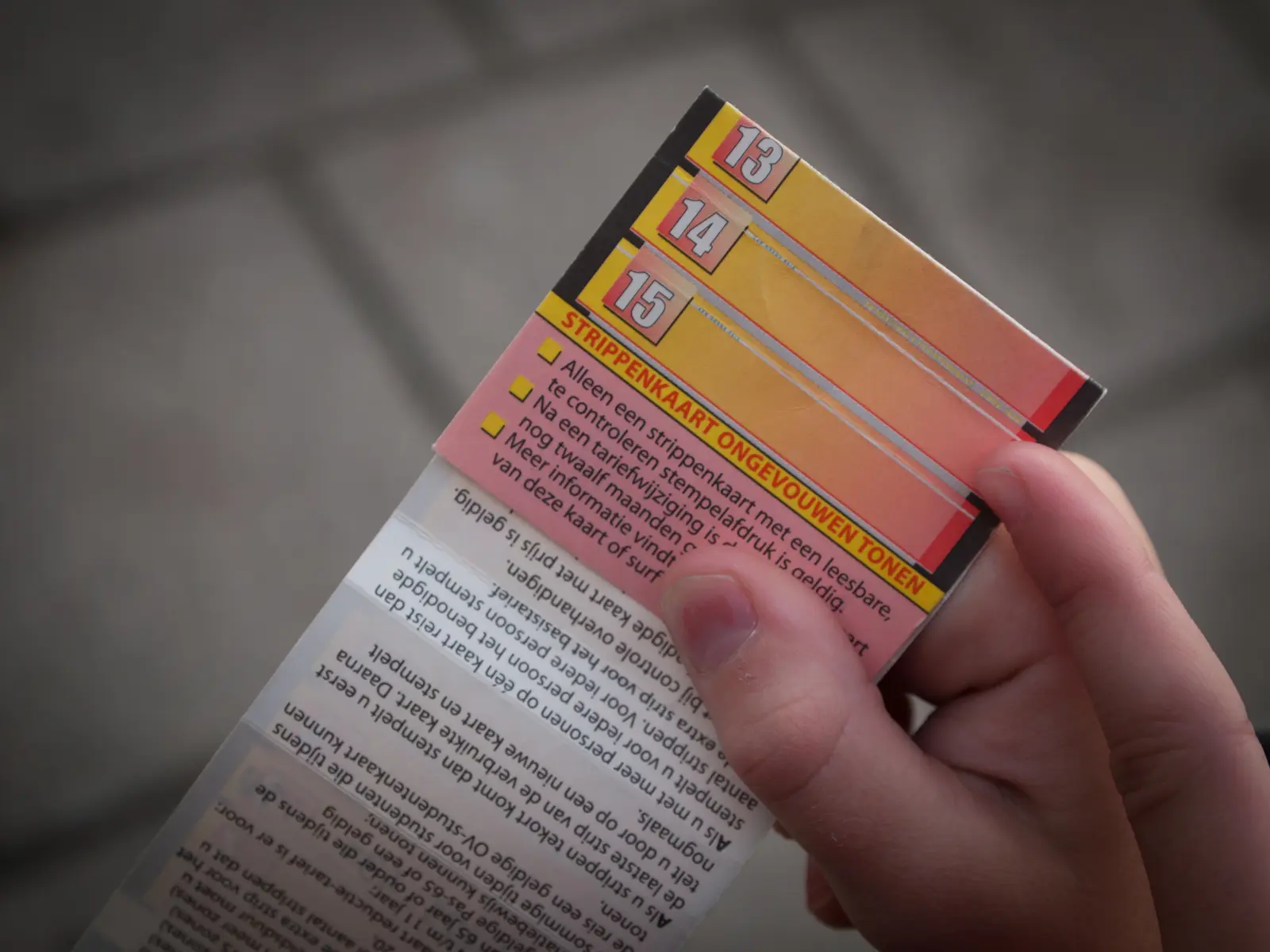
Getting around
The strip ticket
Count how many zones your journey covered and hope the stamp landed on the right strip.
Read how it worked →
041986–2008
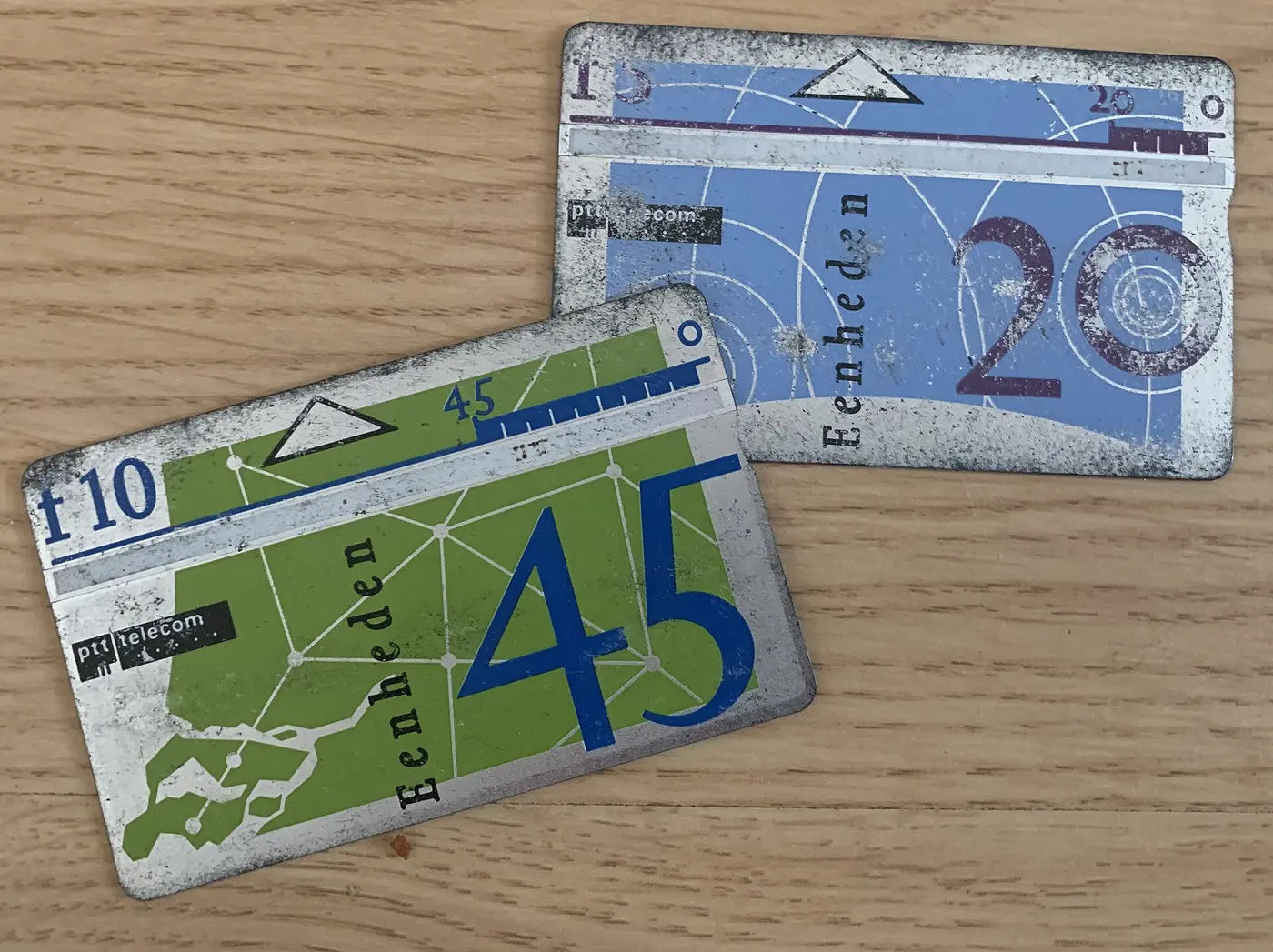
Calls & messages
The phonecard
A plastic card with credit for calling home while out and about.
Read how it worked →
05Until around 1980
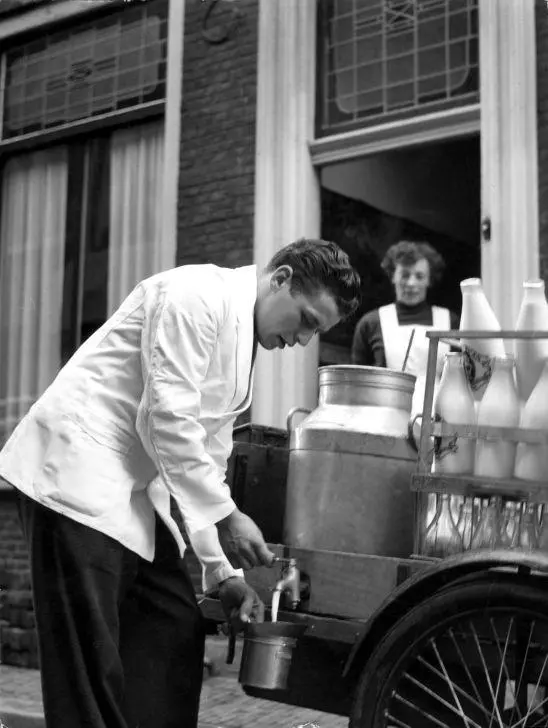
At the door
The milkman
Milk, yoghurt and custard did not only come from shops. They stopped right outside your door.
Read how it worked →
NewUntil around 1970
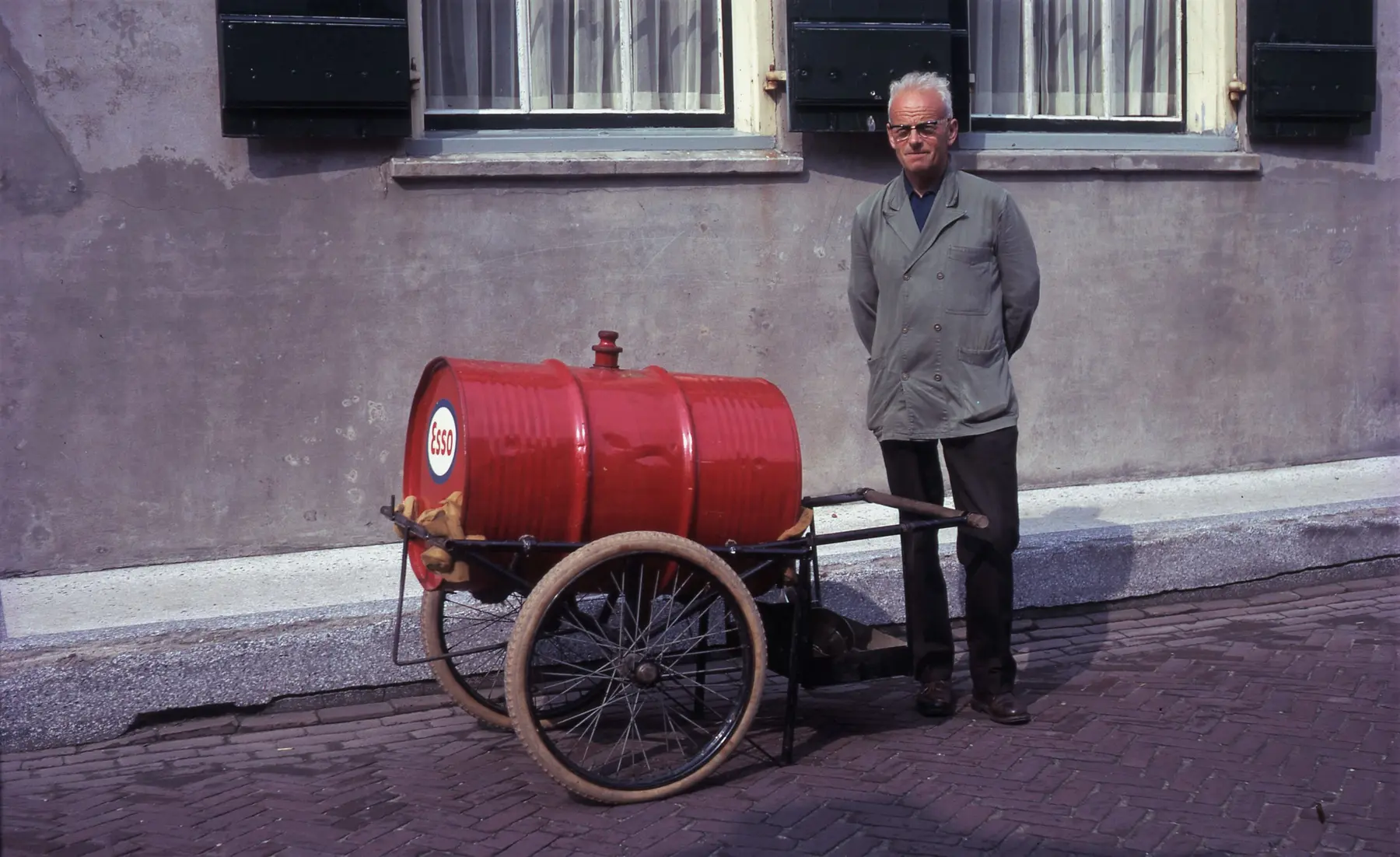
At the door
The kerosene seller
Fuel for lamps, cookers and heaters once came down the street on a cart full of barrels and cans.
Read how it worked →
NewMainly 1920–1975
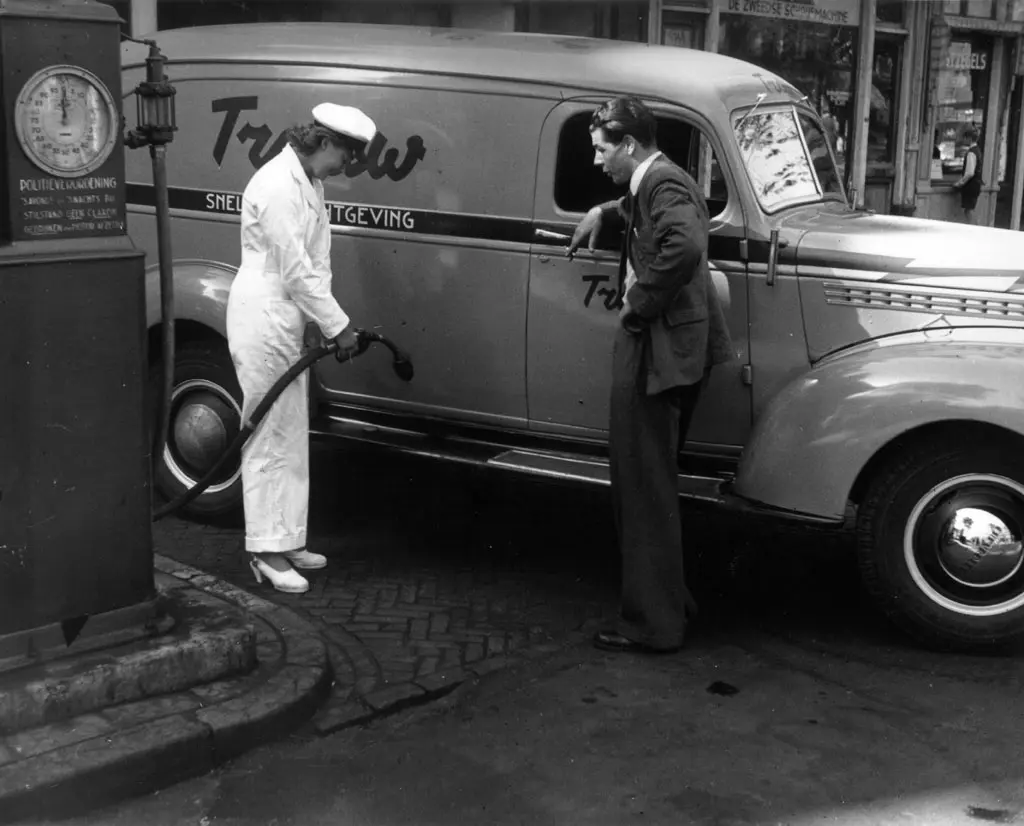
Getting around
The petrol pump attendant
The customer stayed seated. The attendant filled the tank, cleaned the windscreen and checked oil and tyres when needed.
Read how it worked →
06Mainly 1970–2000
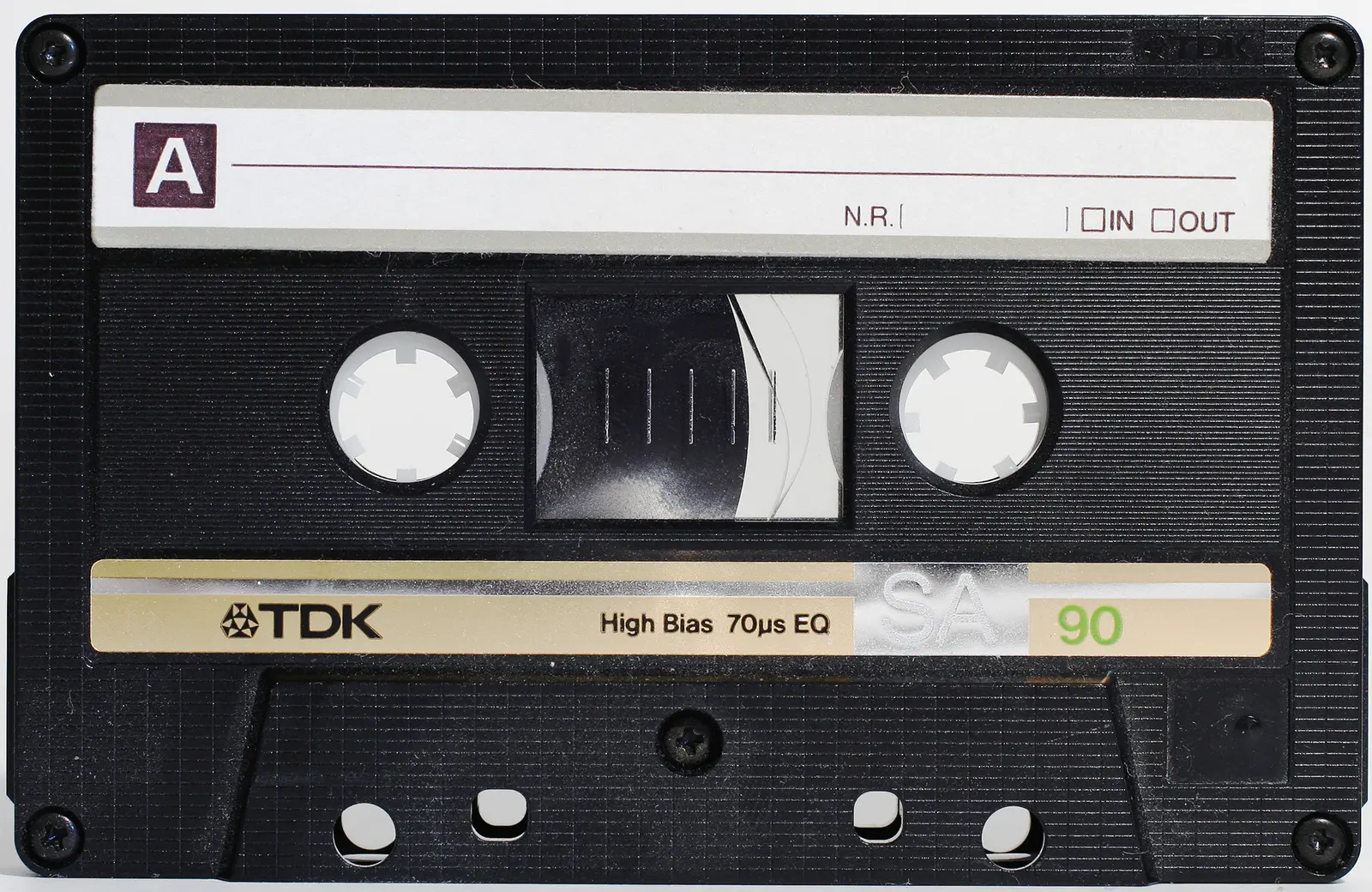
Pictures & sound
The cassette tape
Record from the radio, skip songs by fast-forwarding and rescue a jammed tape.
Read how it worked →
07Mainly 1980–2005
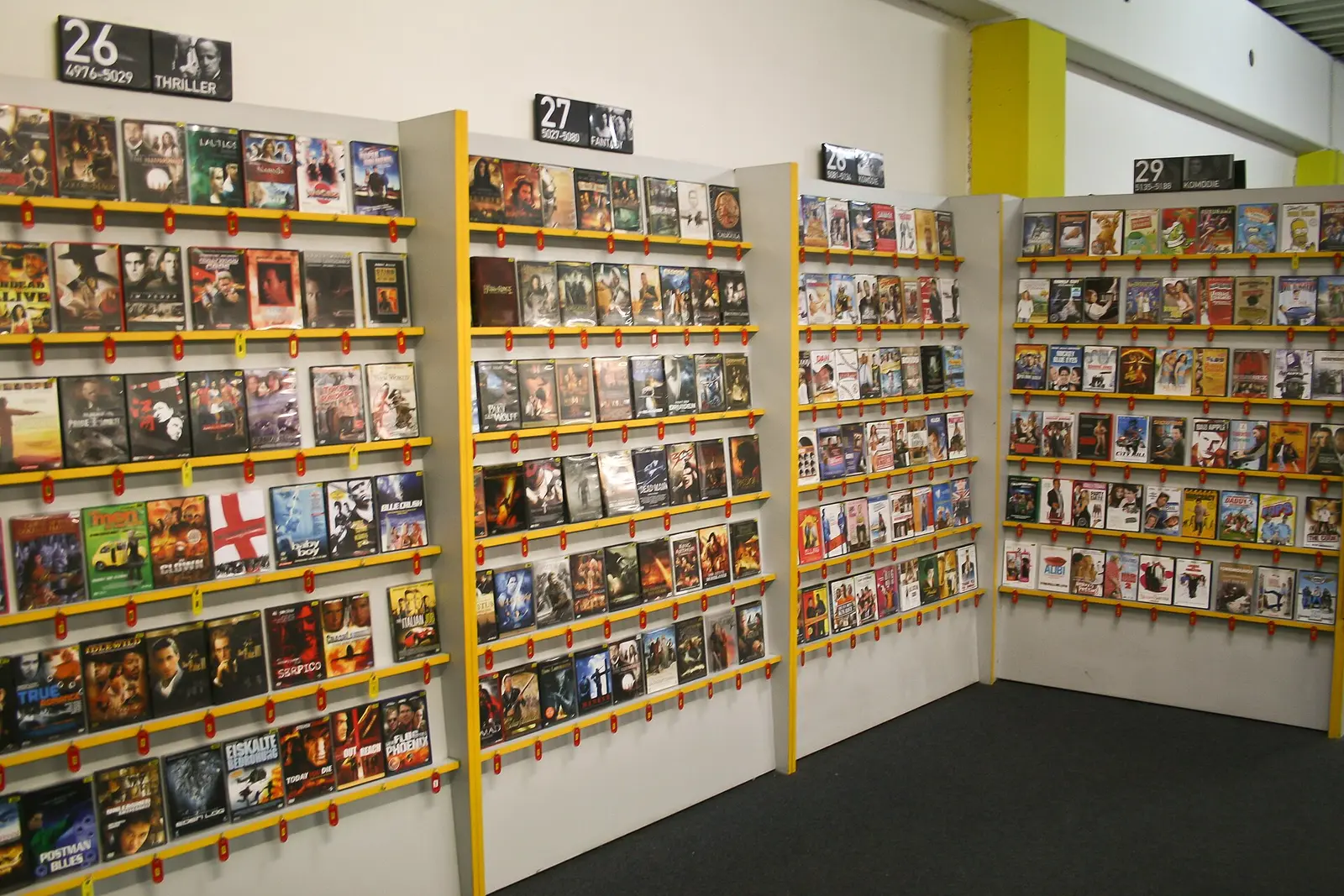
Pictures & sound
The video rental shop
Browse the cases, rent a film for one evening and above all remember to rewind.
Read how it worked →
NewAbout 9 min

Pictures & sound
The test card & the television announcer
When television still had opening hours: waiting with the test card and an announcer who introduced the evening personally.
Read how it worked →
08Mainly 1970–1985
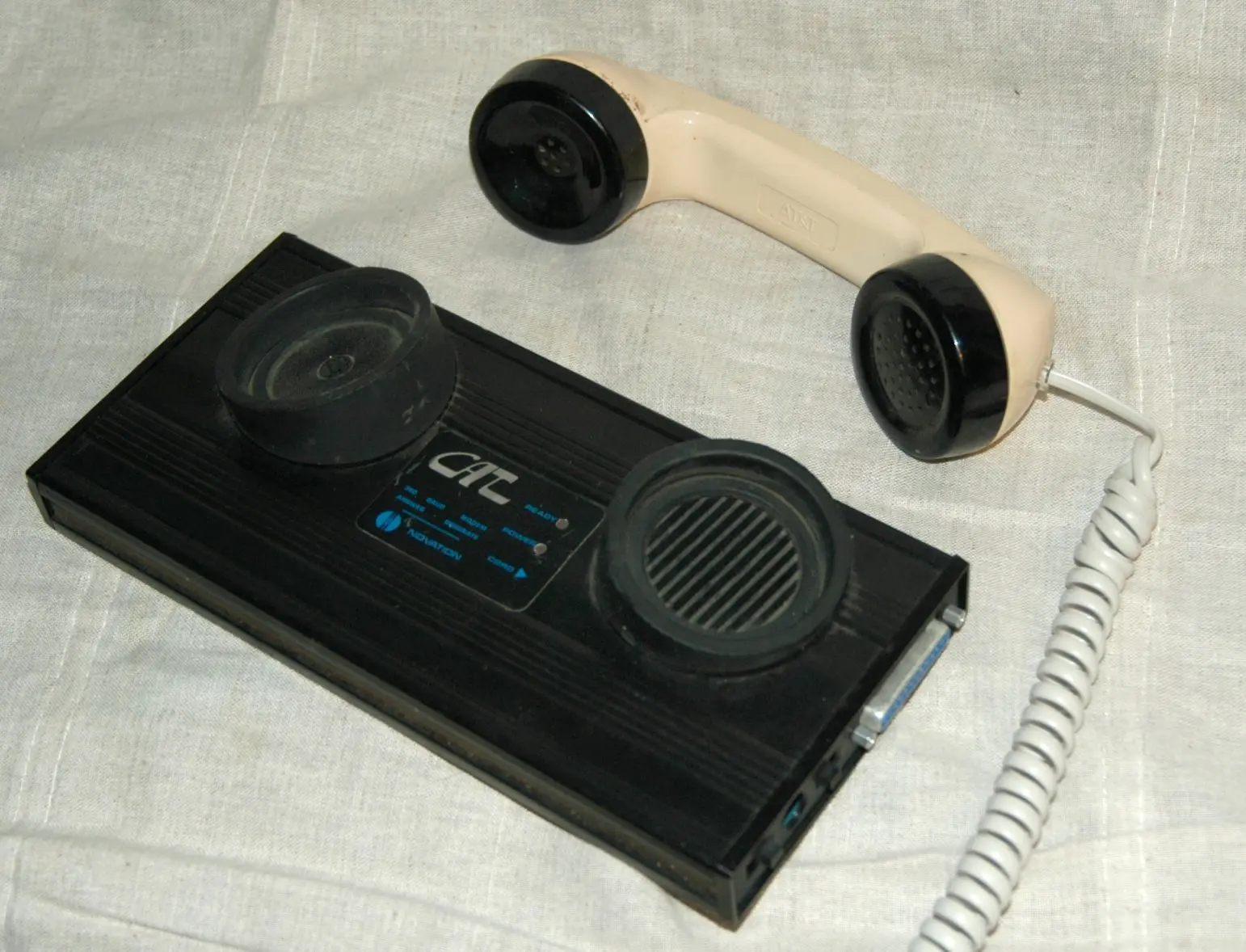
The early digital years
The acoustic coupler
The receiver in two rubber cups: that was how a computer could talk over the telephone line.
Read how it worked →
NewMainly 1950–1990
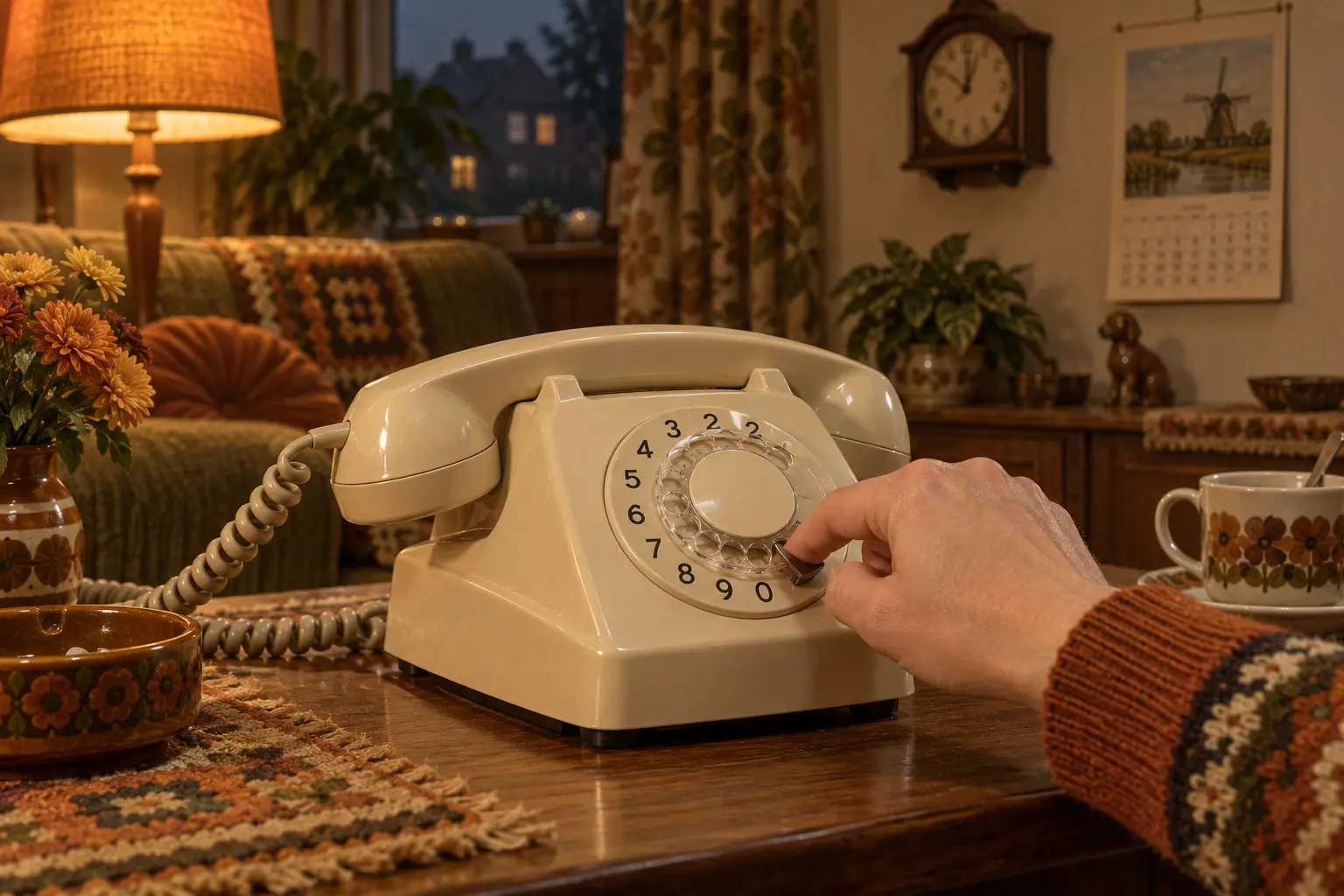
Calls & messages
002 and 003
Calling for the exact time or weather forecast. What became of those familiar Dutch numbers?
Read how it worked →
NewMainly 1960–2000
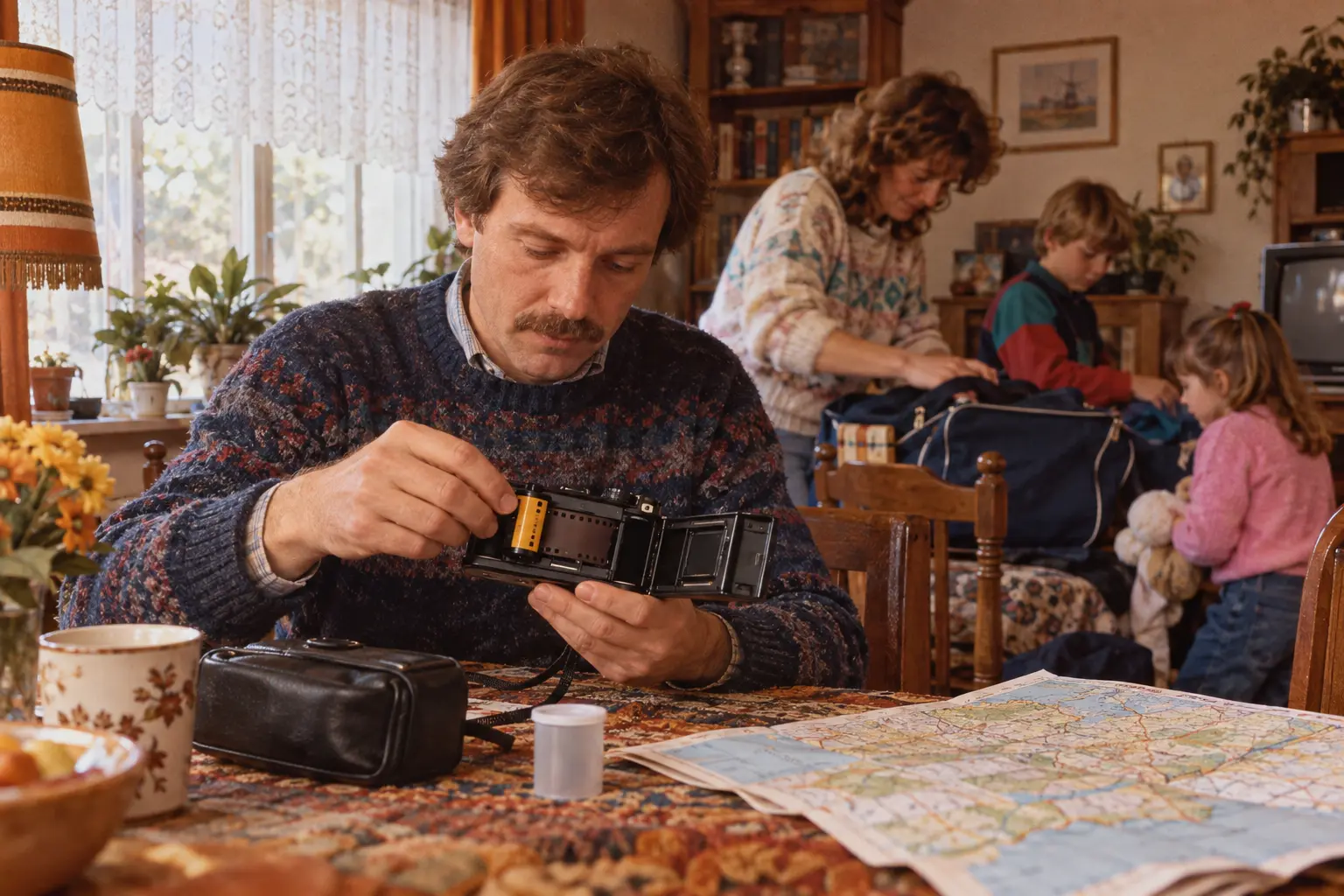
Pictures & sound
The roll of film
A holiday in 36 pictures, waiting for prints and never knowing whether a shot had worked.
Read how it worked →
NewFrom the 1920s
Pictures & sound
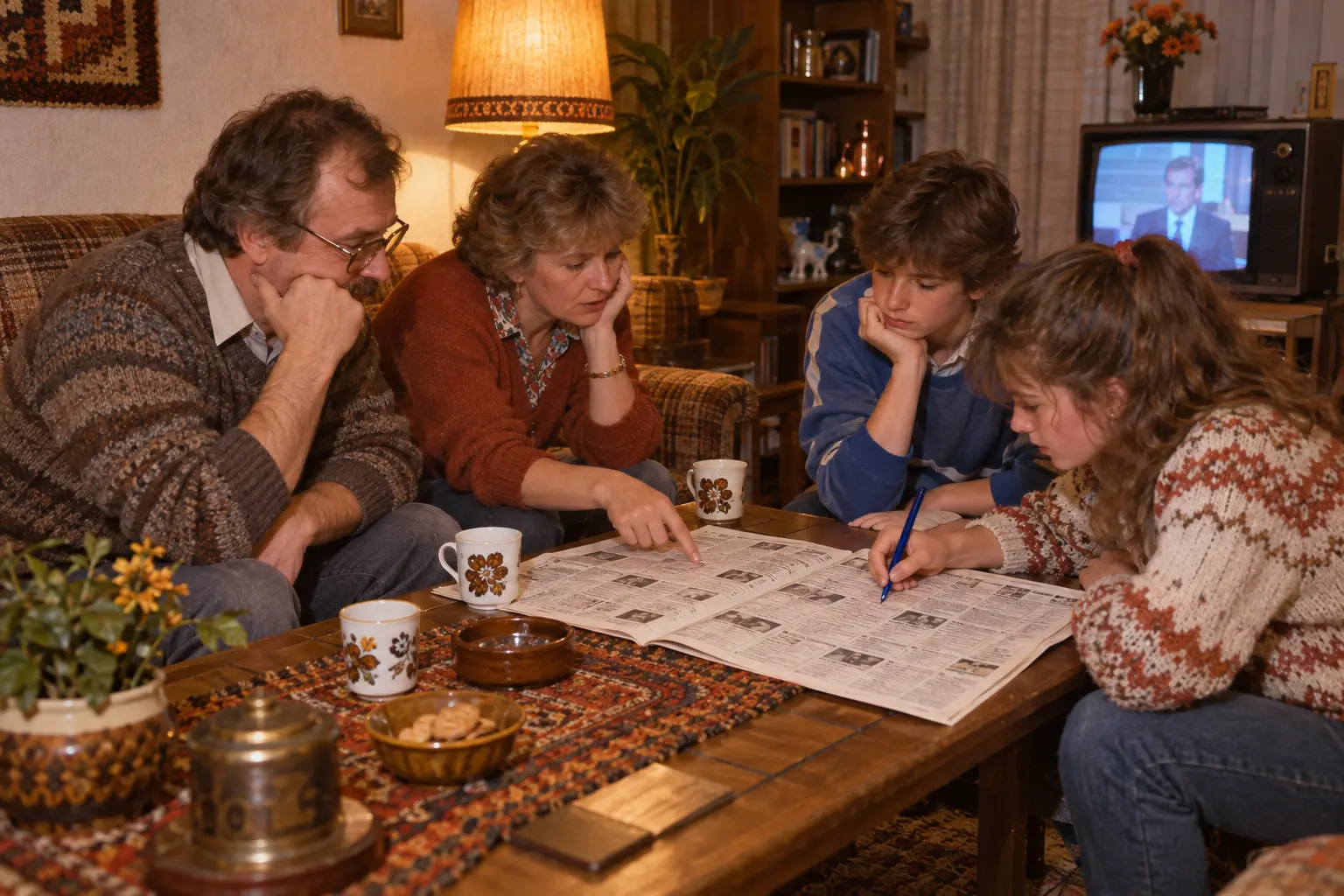
The printed broadcasting guide
Circle programmes, choose together and plan ahead. The guide became less automatic, but did not disappear.
Read how it worked →
NewMainly 1980–2000
Calls & messages
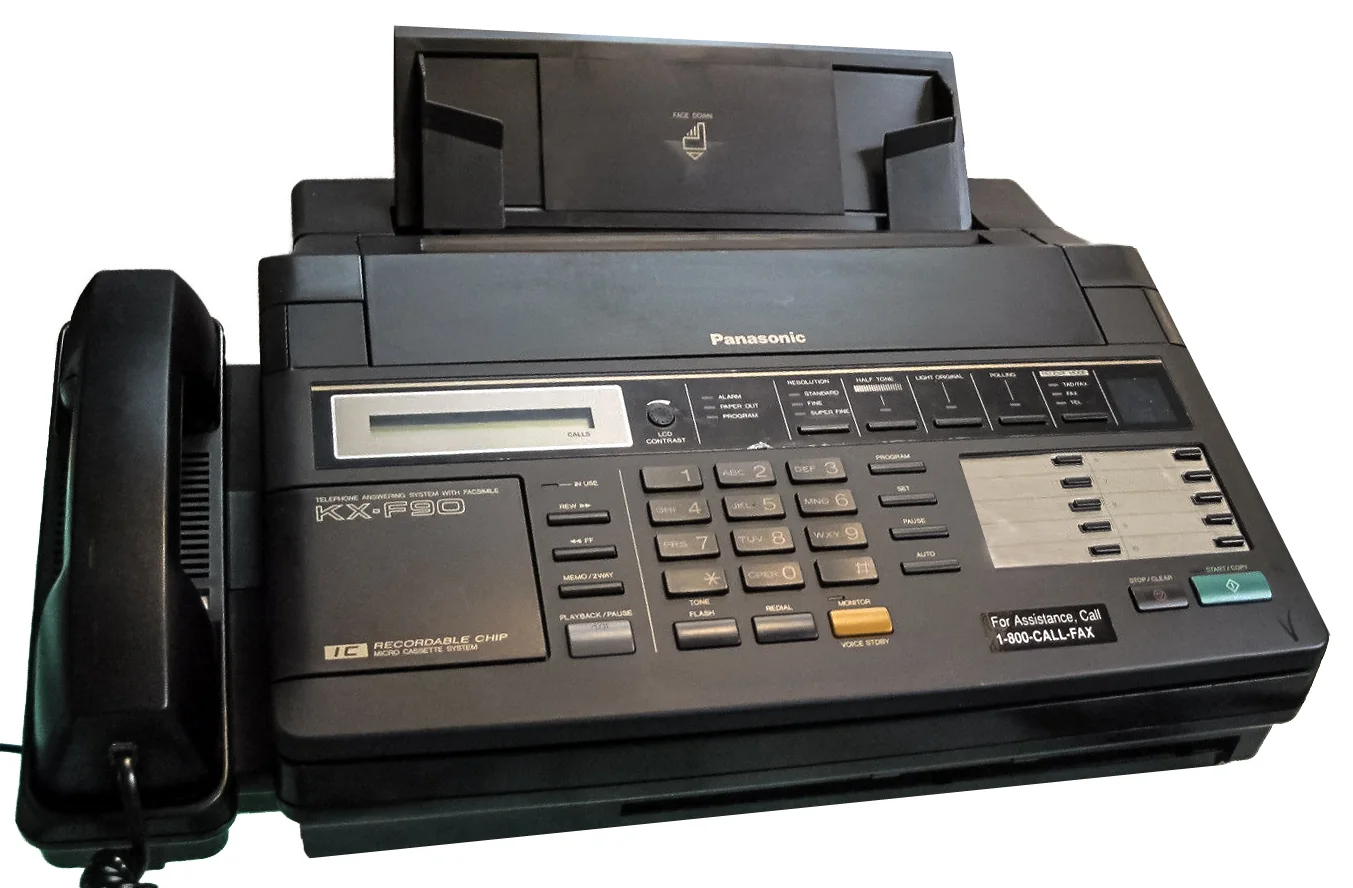
The fax
Dial a number, wait for beeps and make a copy of a letter appear at the other end.
Read how it worked →
NewLetters across borders

Calls & messages
Writing letters on airmail paper
A wafer-thin sheet full of news, an airmail envelope and waiting for a reply.
Read the story →
NewHoliday memories
Calls & messages
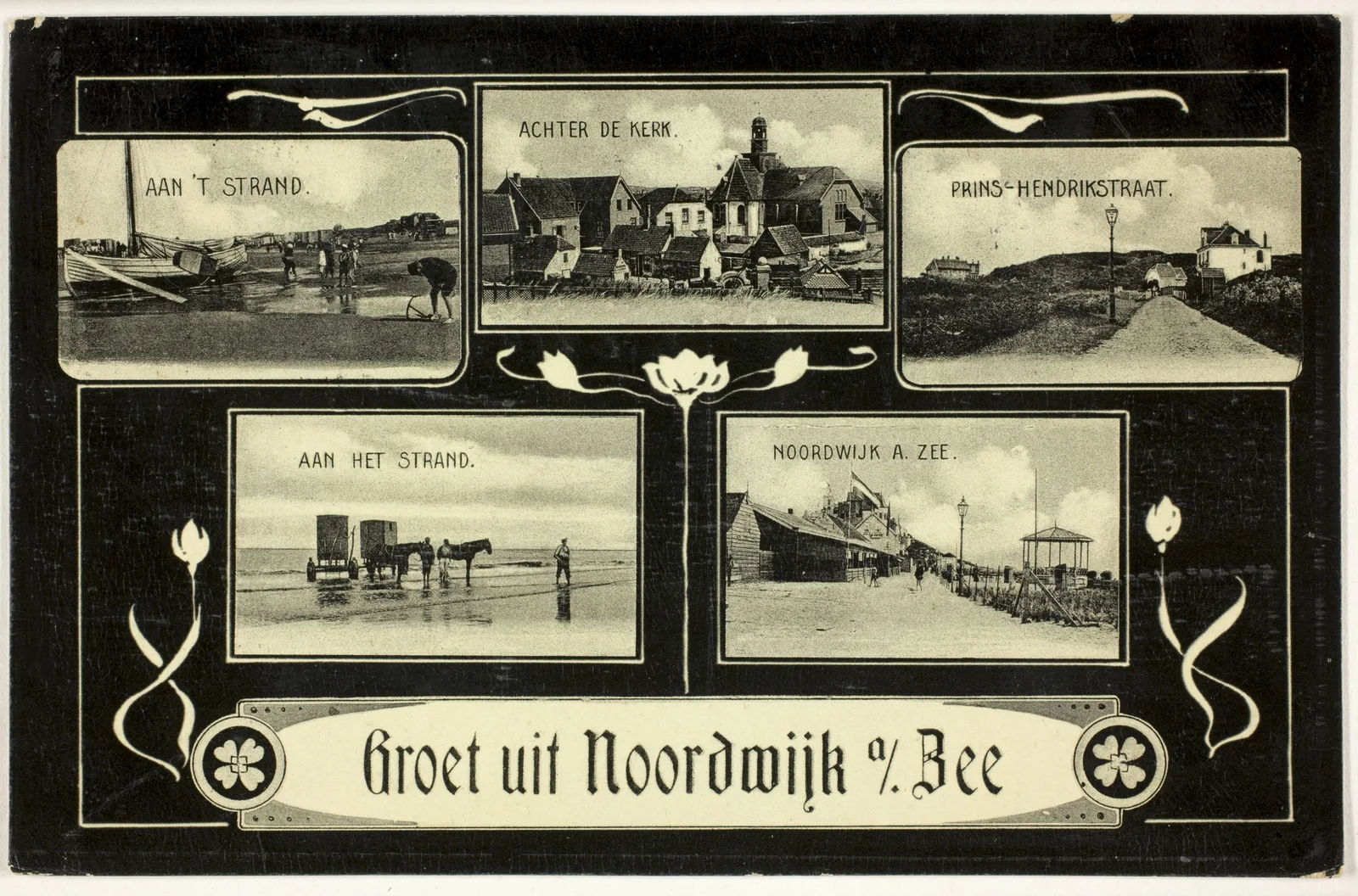
Holiday postcards
Greetings from far away, with a stamp, a few lines and a real card.
Read the story →
NewMainly 1900–1980
Work & school
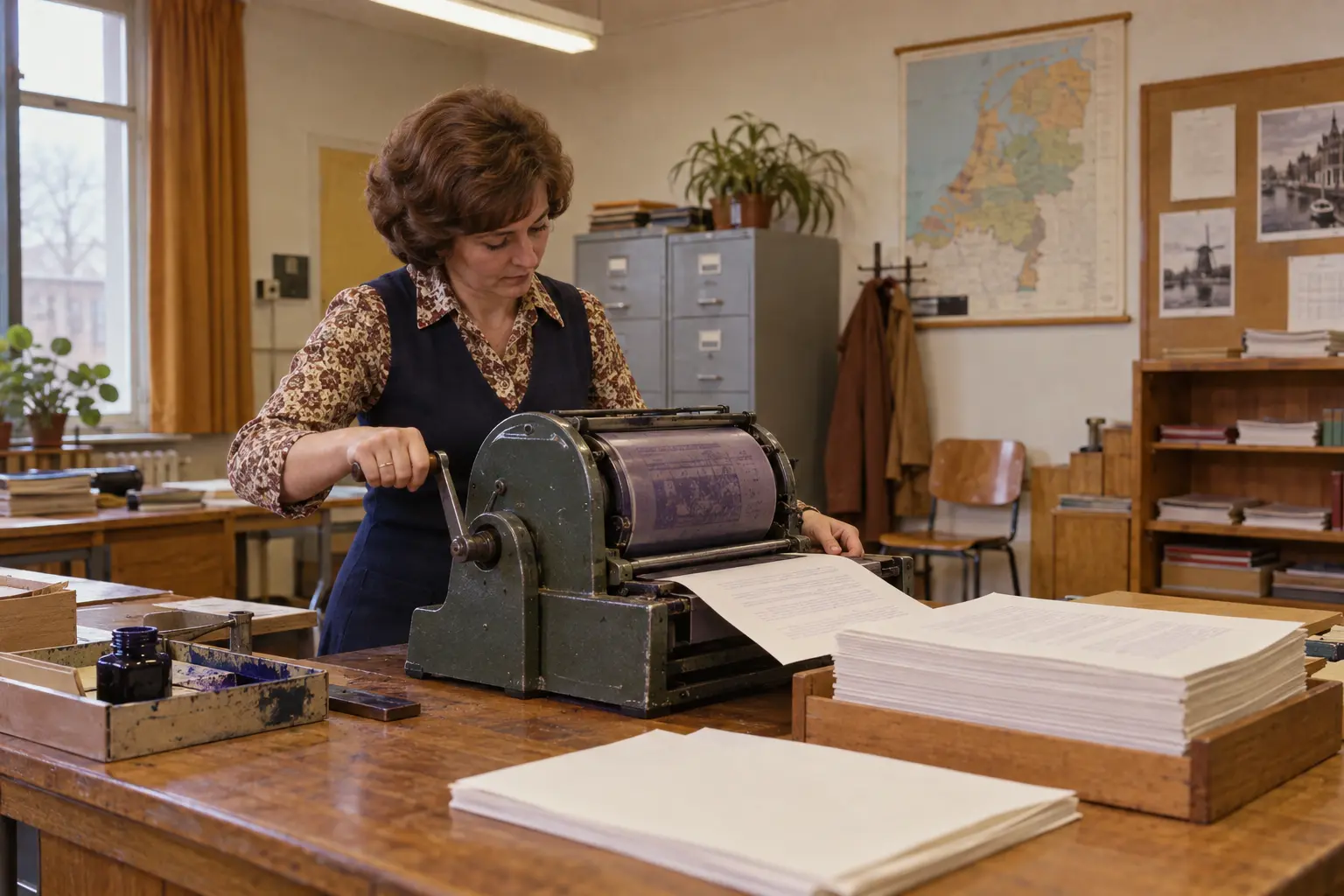
The stencil duplicator
Type a master stencil, turn the handle and make your own copies, sheet after sheet.
Read how it worked →
No story found. Try a different search term.

.jpg)


