The guide began beside the radio
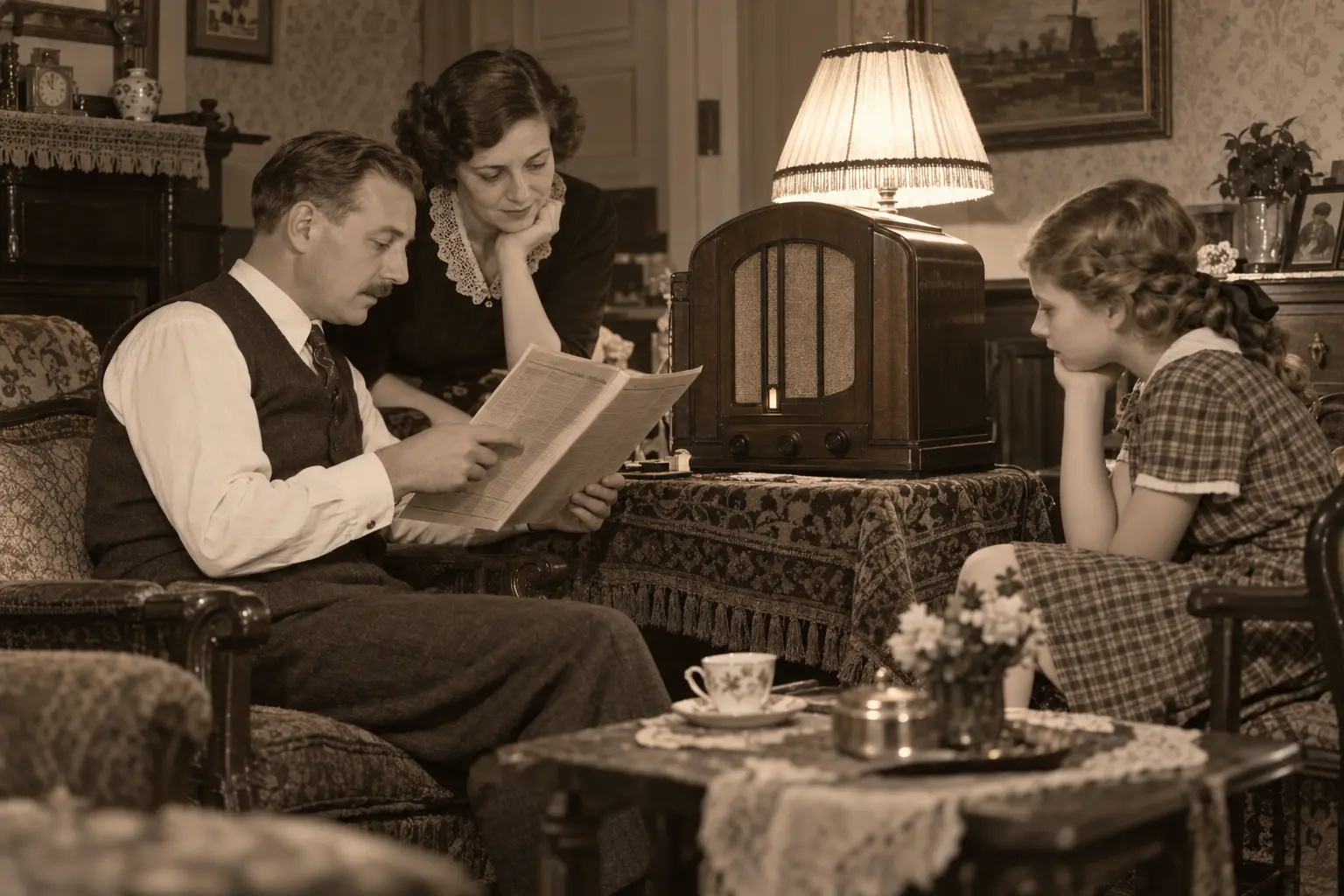
The Dutch broadcasting guide did not begin with television. Broadcasting associations wanted to tell listeners when music, speeches, church services, radio dramas and news bulletins would be heard.
A magazine from your own broadcaster
The guide belonged to a society organised into distinct religious and political communities, a Dutch system known as ‘pillarisation’. Catholics, Protestants, socialists, liberal Protestants and more general audiences had their own broadcasters and often their own magazines. These contained not just schedules, but articles, commentary and stories suited to their members.
In 1926, for example, the socialist VARA association published Radio, the predecessor of the later VARAgids. Other broadcasters had magazines with names such as Radiobode, Katholieke Radio Gids and Omroepgids. Subscriptions were often tied to membership of a broadcasting association. The guide thus helped bring members, income and influence to the broadcaster.
Television takes over the columns
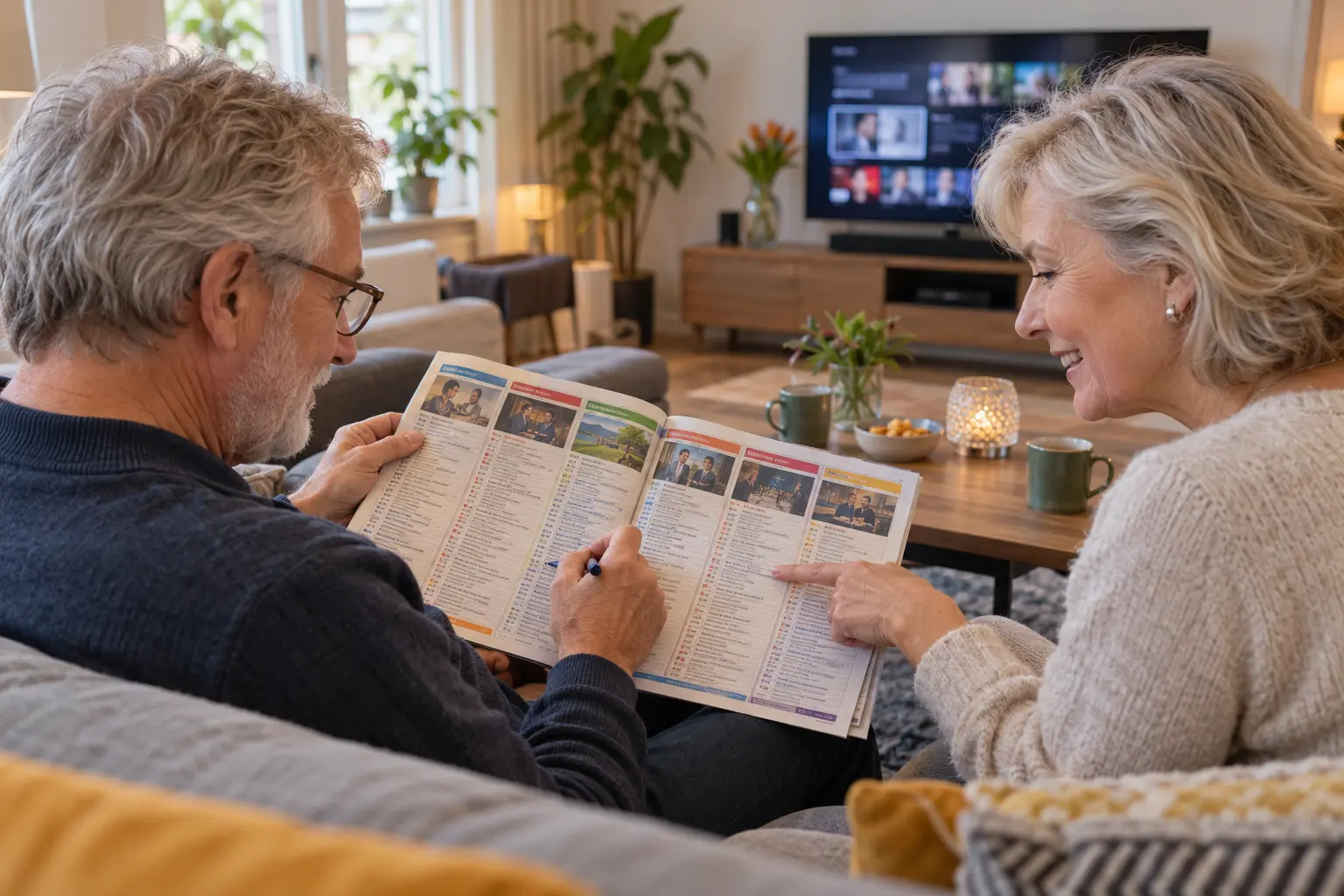
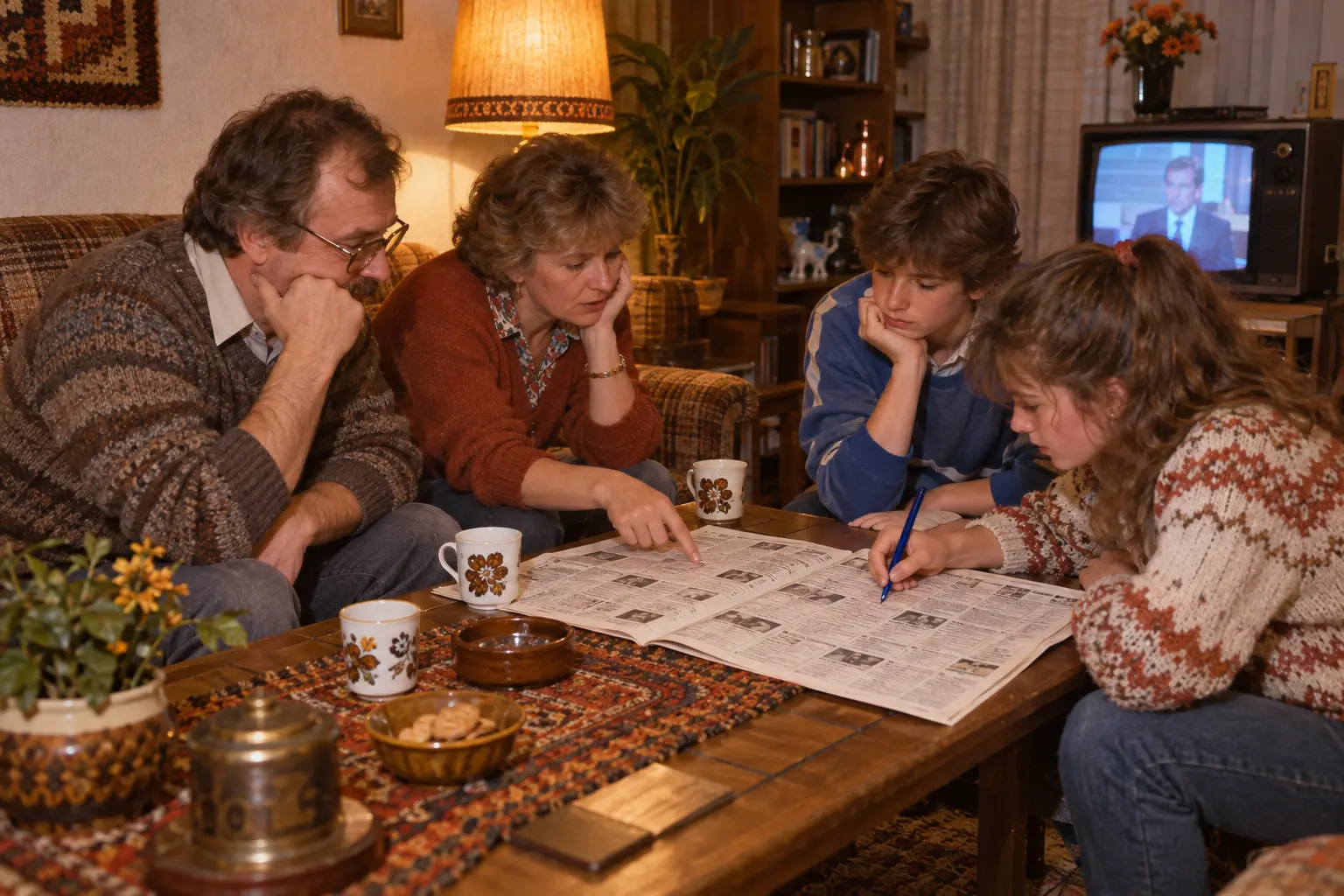
When official Dutch television broadcasts began in 1951, broadcasting hours were limited and many households still lacked a set. But television quickly conquered the living room. Radio guides became radio and television guides, with television listings occupying more and more space.
Programme titles, starting times and short descriptions became standard features. Photographs and interviews with announcers, actors, presenters and singers appeared too. With few channels, almost all television programmes fitted neatly onto a few pages.
The guide gave programmes a face and brought the broadcaster into its members’ homes throughout the week.