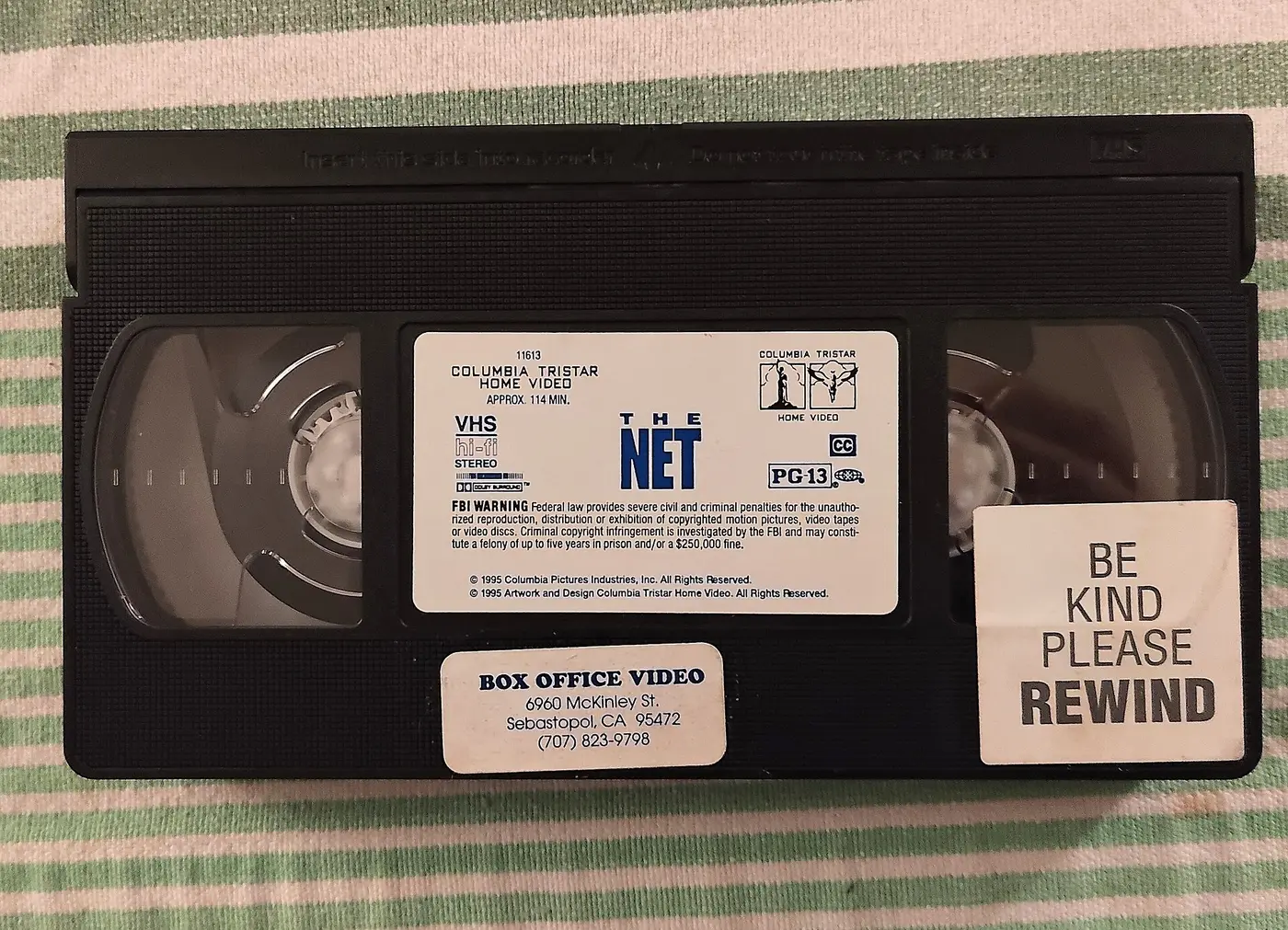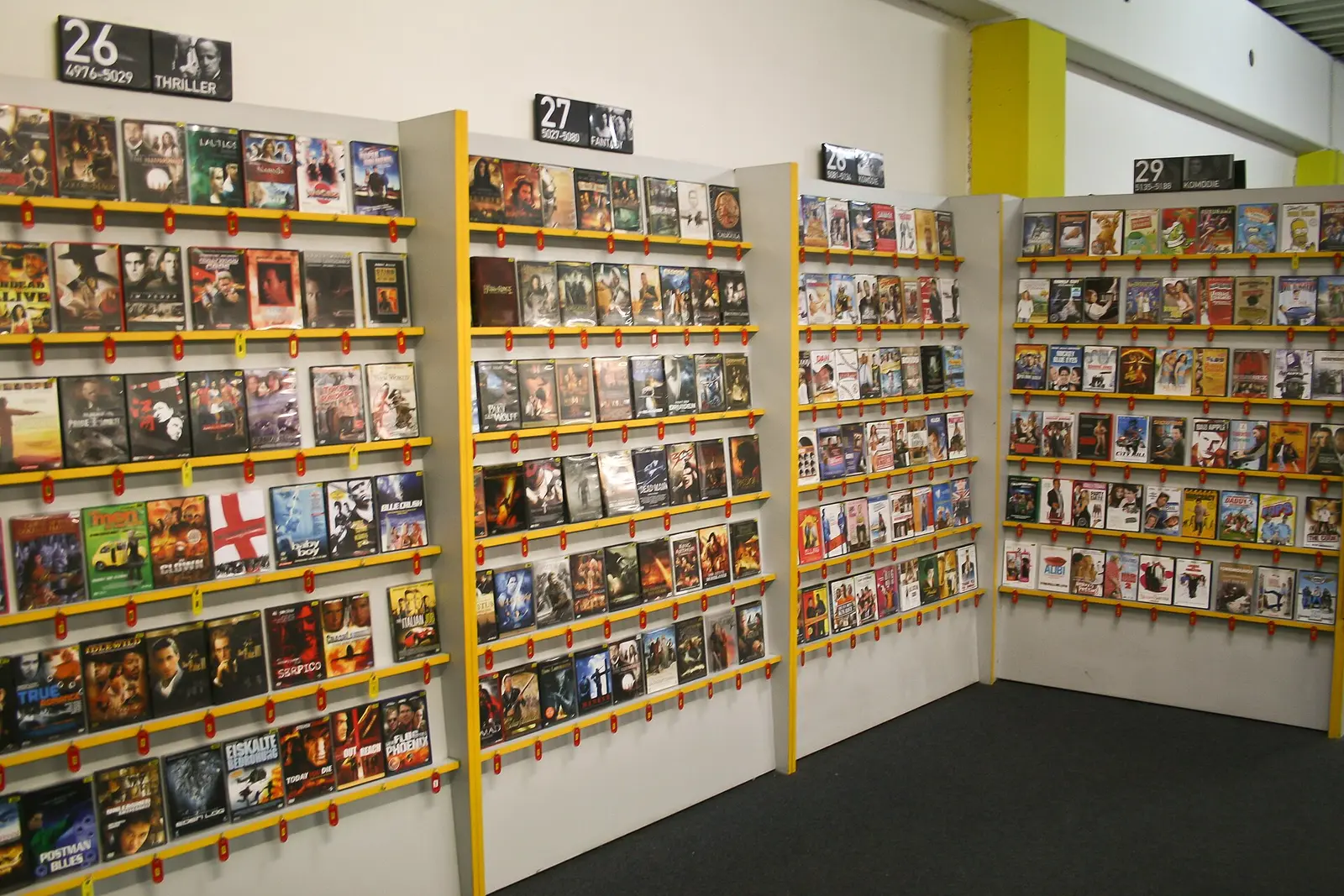
Suddenly you chose when the film began
The video recorder turned the television into a small home cinema. The rental shop supplied films almost nobody could or wanted to buy themselves.
Before the recorder, television decided
For years, watching a feature film at home meant depending on broadcasters. It began at the time printed in the guide, and a missed broadcast was truly missed. Cinemas offered more choice, but visitors still chose among films currently showing.
The recorder made two new things possible. You could record a television programme for later and play a prerecorded tape whenever you wanted. Philips released its first video recorder in 1971. Different systems then competed for the living room: Sony’s Betamax, JVC’s VHS and the later Video 2000 from Philips and Grundig.
Tapes did not fit competing machines. A household with Video 2000 could do nothing with a VHS tape. Early rental shops often had to buy several versions of the same title or clearly mark each case’s format. VHS eventually won. Even Sony, Betamax’s creator, decided to sell VHS recorders in 1988.
A shop for something you needed one evening
Prerecorded tapes were expensive. Most people wanted to watch a film once rather than keep it for years. Rental perfectly suited the new machine. For a fee, you took a tape home for one or several days.
In the Netherlands, growth was rapid. According to Dutch history magazine Historisch Nieuwsblad , there were around 120 video rental shops in 1981; two years later, around 4,000 were counted. Parts of that early market were disorderly. Illegal copies circulated, picture quality varied greatly, and some shops had grown from sex shops. From the mid-1980s, more polished shops appeared in busy locations. Chains such as Videoland made renting a normal family outing.
video rental shops in the Netherlands in 1981, according to Historisch Nieuwsblad.
shops two years later, in a market still barely regulated.
Your name, address and a card
A videotape represented substantial value. You usually could not simply walk in anonymously and take a film. First, you joined. Staff wrote your details on a form or later entered them into a computer. Sometimes identification or a registration fee was required.
You then received a paper or plastic card with a membership number. Every rental recorded which tape you took and when it was due. An oddly familiar relationship grew: staff knew both which films you liked and whether you always returned them on time.