
The strip ticket
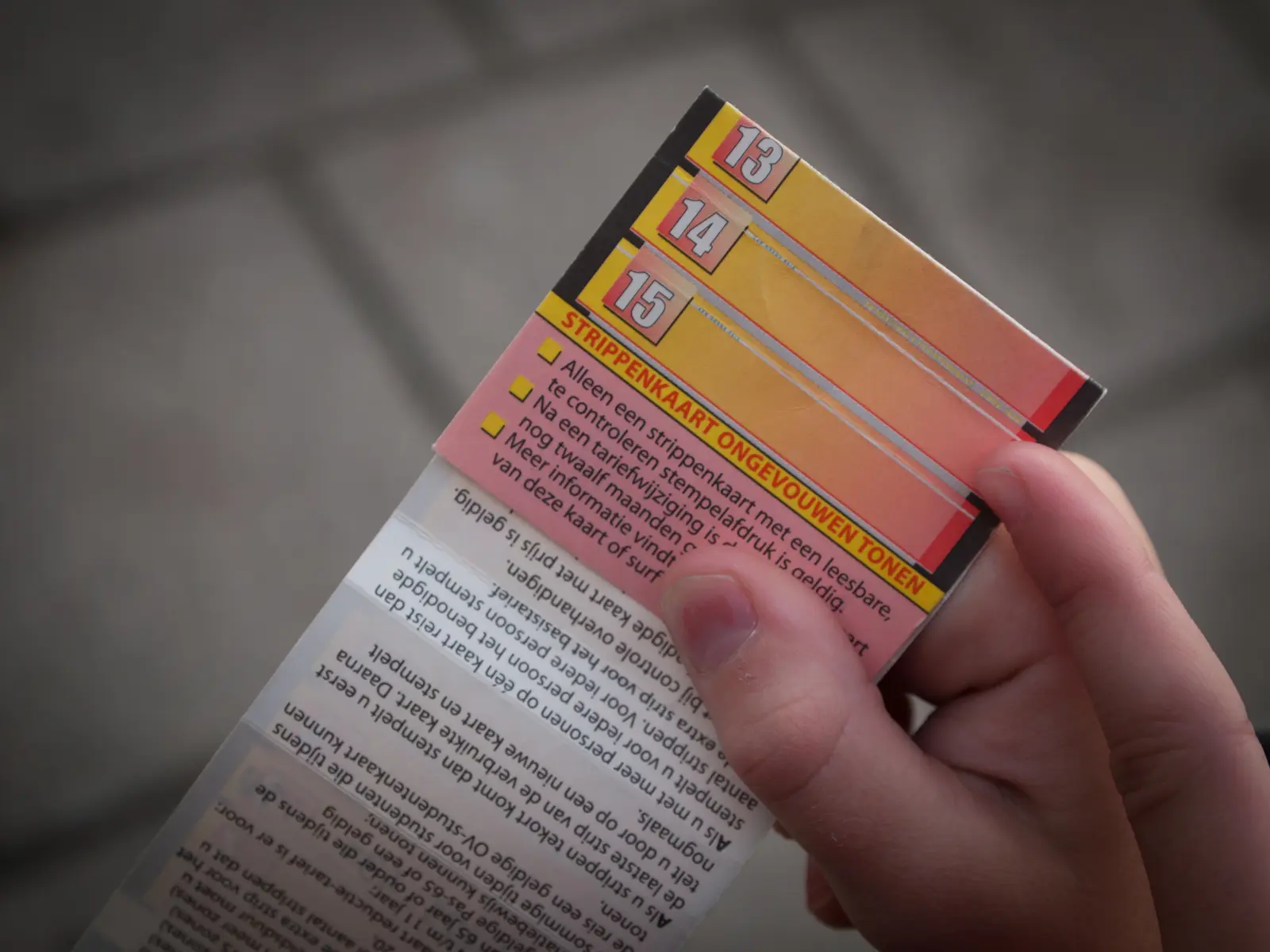
You boarded with a card full of empty boxes. How many were stamped depended on the fare zones crossed by your journey. This Dutch ticket was called a strippenkaart, or strip ticket.
Why there were zones
The Netherlands was divided into public transport fare zones. A trip cost the number of zones plus one basic strip. Travelling through two zones, for example, meant having three strips stamped. The driver, conductor or stamping machine marked the last strip used for that journey.
How it worked
- 1Determine the route
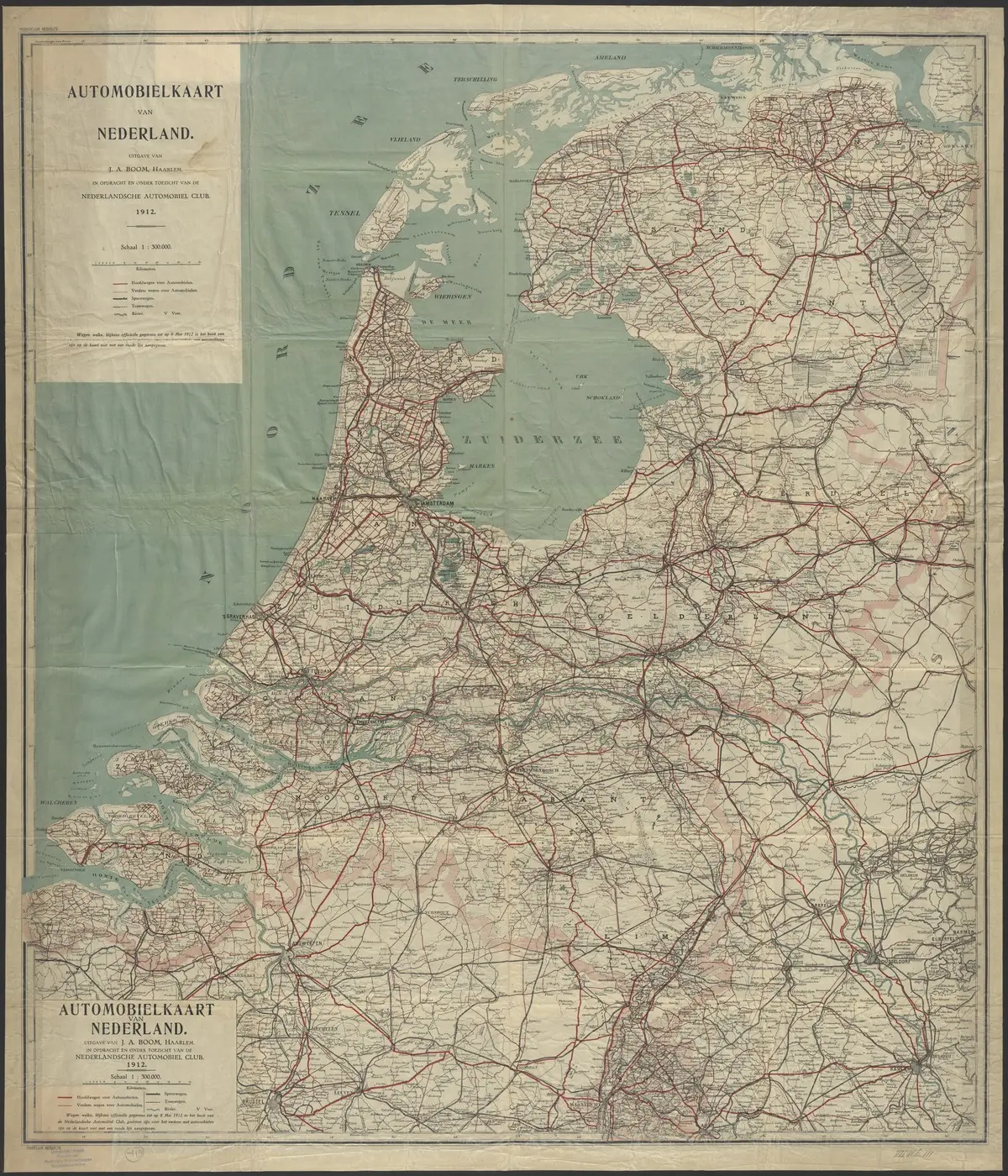
A zone map showed how many zones you would pass through.
- 2Fold the ticket
You folded the strip ticket so the correct empty strip was on top.
- 3Have it stamped
You told the driver or conductor your destination. Where self-service applied, you used the machine.
- 4Transfer within the time limit
The time on the stamp determined how long you could continue travelling on that validation.
One ticket for almost all the Netherlands
Before 1980, dozens of operators had their own tickets and fares. The national strip ticket replaced this with a recognisable system for buses, trams and metros. Options included cards with 15 or 45 strips. Reduced-fare cards had a different colour.
An almost used-up ticket in your coat pocket. A stamp falling just across two boxes. Or discovering on boarding that only one strip remained.
What replaced it?
The OV-chipkaart, the Dutch public transport smartcard, took over counting and stamping. Checking in and out became the new routine. On 3 November 2011, the strip ticket definitively ceased to be valid nationwide.
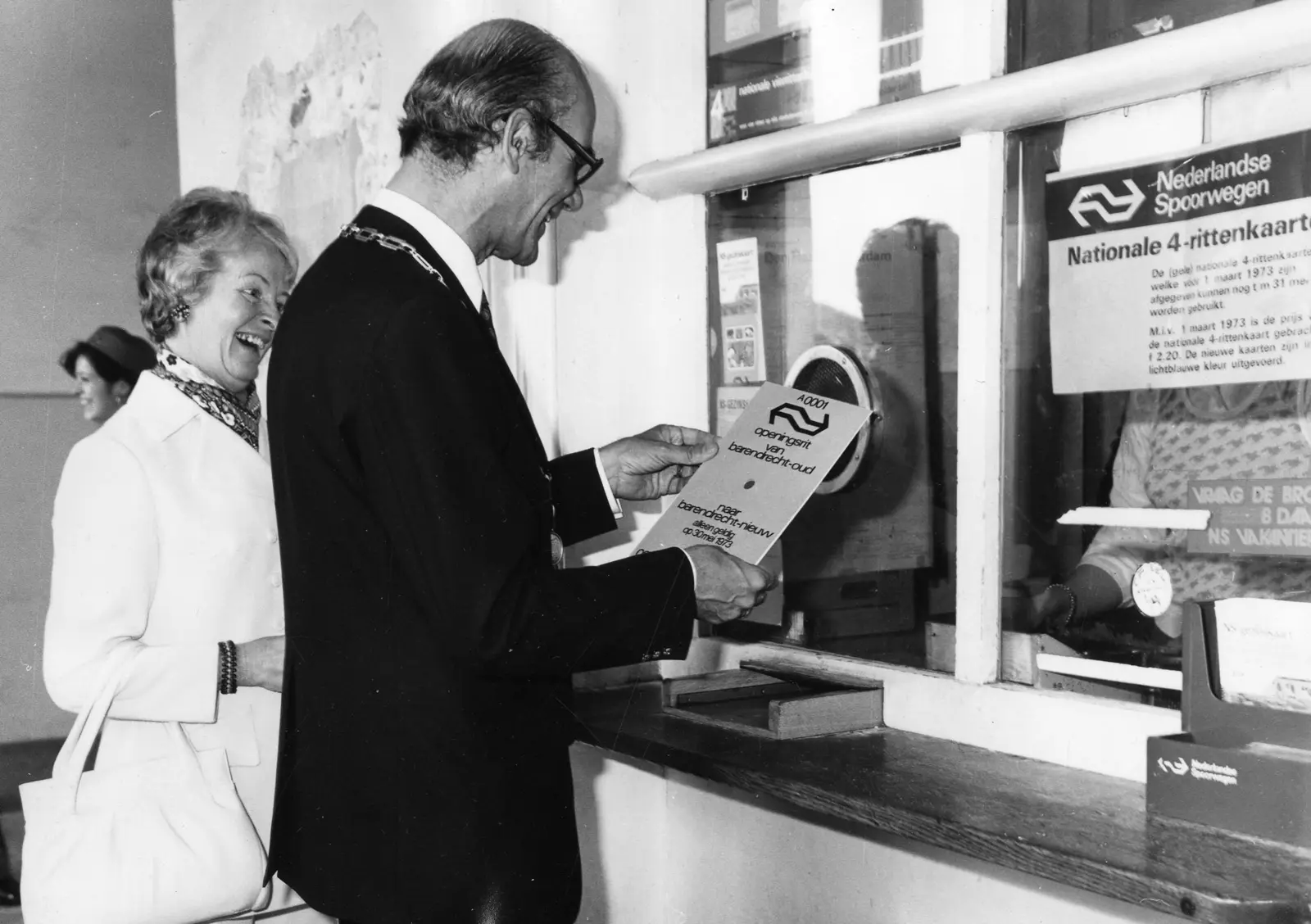
_N.S.-station_Barendrecht_te_Barendrecht_aan_burgemeester_G._van_Hofwegen_voor_de_openingsrit_van_het_oude_station_naar.jpg)
