.jpg)
A sound that could interrupt your evening
You were sitting at the dinner table, browsing in a shop or had just arrived at a birthday party. Then the pager sounded. To everyone else it was a brief noise; to you it could mean that your evening off was over.
Perhaps you needed to call the hospital. Perhaps a machine had stopped and the porter was waiting for the maintenance engineer. Or you had to contact the switchboard to find out what had happened. The device initially told you very little, but the arrangement was clear: when it sounded, you had to respond.
That gave you freedom to move around. Being on call no longer meant sitting beside the telephone at home. At the same time, your responsibilities travelled with you. The pager made you reachable in places where nobody could otherwise have telephoned you.
Semafoon, pieper or pager?
In Dutch, semafoon and pieper are often names for the same device. Semafoon is the more formal term; pieper refers to the beeping sound that attracts your attention. The English word pager also became familiar in the Netherlands.
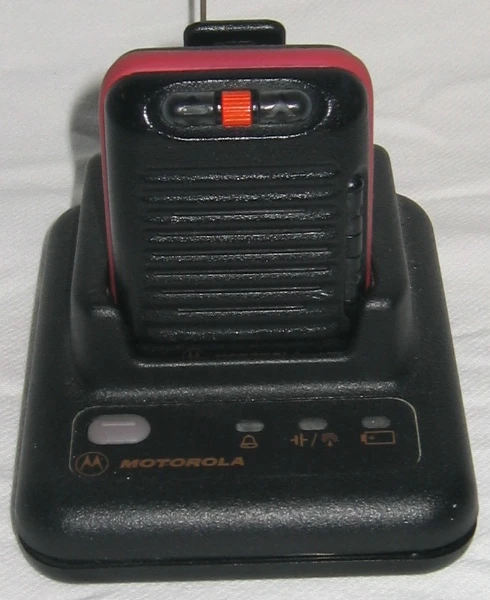
A conventional pager received a call over a radio network. The simplest versions only gave a signal. Others displayed numbers, such as a telephone number to call back. Later models could receive short text messages.
The familiar little box was usually a receiver. You could not use it for an ordinary telephone conversation, and generally could not send a reply either. There are also pagers that can transmit a response, but that is a different capability from the traditional one-way beeper.
The Dutch PTT launches a nationwide service
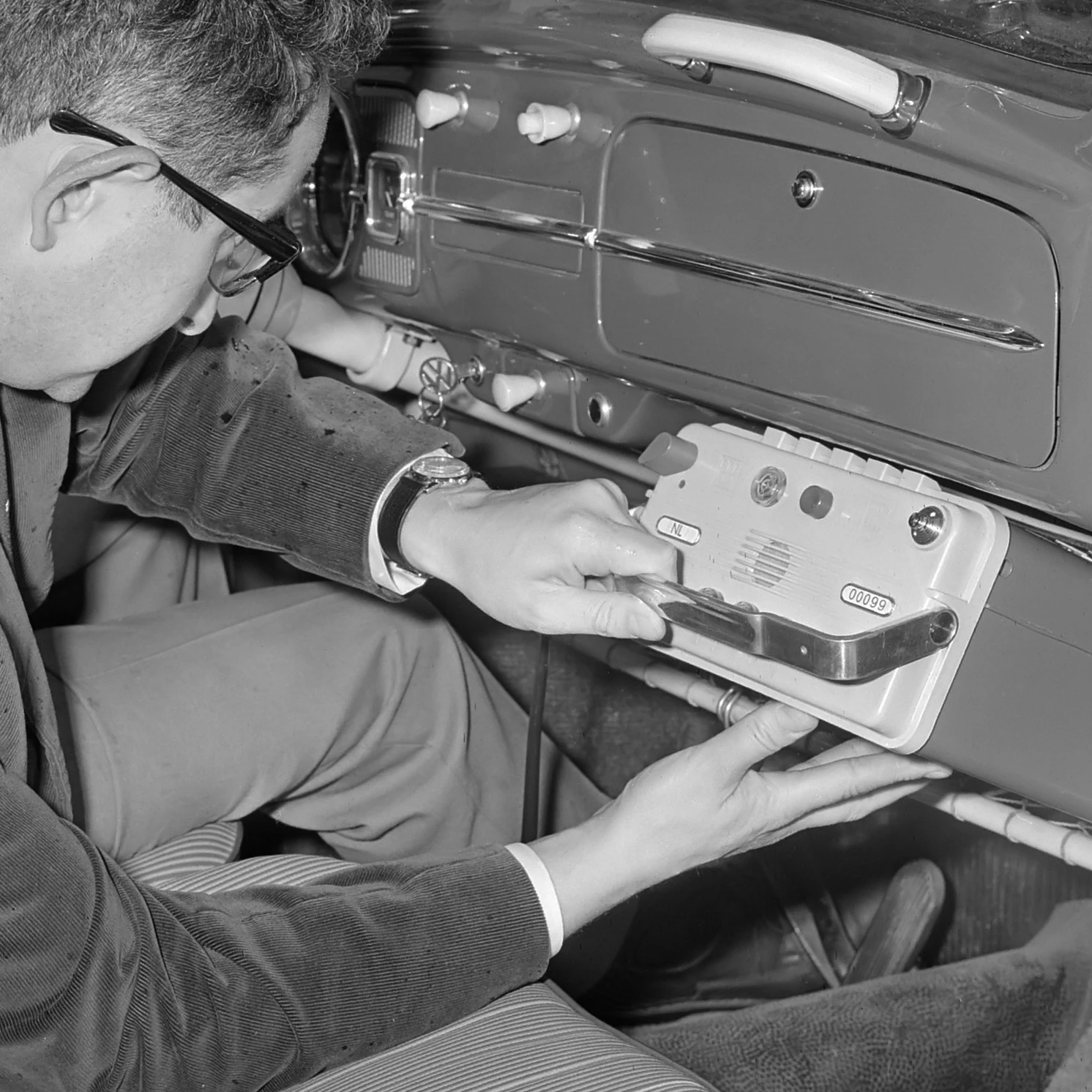
In the Netherlands, the PTT's public paging service officially opened on 24 September 1964. It began with 230 users. Years of development and trials had preceded the launch, involving doctors and service organisations among others.
The early devices bore little resemblance to the small box later clipped to a belt. An early Philips pager weighed about 4.5 kilograms. It was something you carried around like a piece of equipment. Later versions became smaller and easier to wear.
People who needed to be on call for their work had most to gain. A doctor could leave home without becoming impossible to contact. A maintenance engineer no longer had to spend the whole standby shift at home. Reachability became something you could take with you.

First the beep, then the telephone call
Receiving the alert was only the first step. You then had to find out what was expected of you.
With a basic system, the arrangements were agreed in advance: call the porter, contact the practice or report to the telephone operator. Different signals or indicator lights could help distinguish one type of call from another. A numerical display made it easier to send a telephone number. A text display could show the message itself.
But if you needed to call back, you still needed a telephone. In a hospital, that might be a handset on the ward. Out and about, you looked for a telephone box or asked in a café whether you could make a call.
There was something peculiar about it: somebody could contact you remotely, yet you then had to look around for a way to have the conversation. The pager and the fixed telephone worked together.
The little box came with the shift
For people who used a pager at work, it was part of the beginning and end of a shift. You took it over from a colleague, checked that it worked and made sure you would hear it. At home, it came into the bedroom with you.
The people you lived with therefore shared a little of the experience of being on call. A beep during dinner could mean that someone got up and left. In the middle of the night, it was hard to separate the sound from the question: do you have to go out?
A recollection on the website of the Brabant Historical Information Centre shows how conspicuous the early pager could be. A former Philips engineer recalls that, in his town, only he and a doctor had one at the time. It gave him a sense of status. He also describes the weight of the device and the noise of its nighttime alarm.
It was both a sign that you were needed and an object you had to lug around.
The mobile phone takes over many of its tasks
As mobile phones became more common, many users no longer needed to carry a separate paging device. A single handset could receive the call and handle the conversation. Text messaging also took over much of the short-message communication for which a pager had been useful.
Searching for a telephone box after an alert became unnecessary. The gap between receiving a message and answering it narrowed too. Where a beep had once meant taking action to establish contact, you could now call back straight away.
The mobile phone offered more and more functions. For the general public, the little box whose main job was to attract attention gradually faded into the background.

The pager has not disappeared
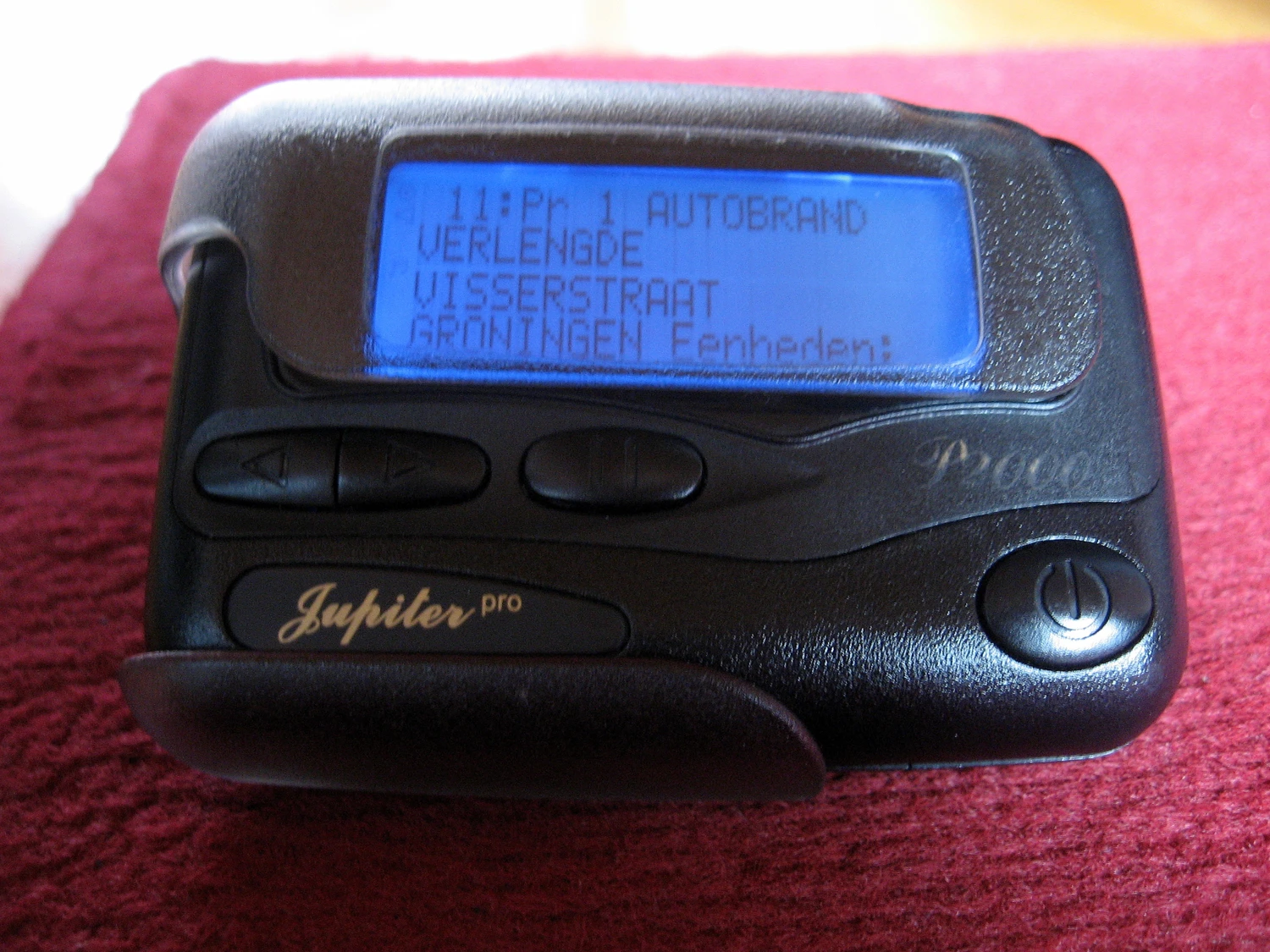
Yet the pager is not extinct. Hospitals still use them. Emergency services also use paging: in the Netherlands, the P2000 network can send alerts and text messages to pagers.
In those settings, what matters most is that an alert gets through. A dedicated paging network can offer coverage advantages. There is also a clear task: alerting somebody who is needed. A device does not need every feature of a smartphone to do that.
The pager has therefore found a different place. For many people, it recalls the era before mobile phones. For others, it remains part of the working day.
A quick glance to see who needs you
The pager belongs to a transitional stage in everyday life. The telephone was still fixed in one place, but the alert could already follow you around.
If you carried a pager, you could leave the house. There was just one agreement attached to that little box: when it sounded, you had to do something. Take a look. Perhaps get up. Find a telephone.
It was a small moment that could change an entire evening.